Local Home Experience
That background helps technicians assess common entry points at Northford properties.
At Northford Ice Pavilion, steady building use means pest checks need to account for busy indoor spaces as well as nearby homes. We serve Northford property owners, including customers in Clintonville and North Guilford, with inspection-led Pest Control tailored to the building and the pest involved.
Cold winters are familiar here, but milder coastal conditions do not prevent indoor activity: early freezes can keep pests active inside, so check warm utility spaces and storage areas when outdoor temperatures drop. Near Northford Congregational Church, older home details can make careful inspection of openings and concealed spaces useful. Totoket Mountain trails draw people outdoors; after yard visits, check pets for ticks and look over clothing before coming inside.
Our crew identifies the pest, checks likely access points, explains the treatment plan, and gives practical prevention advice.
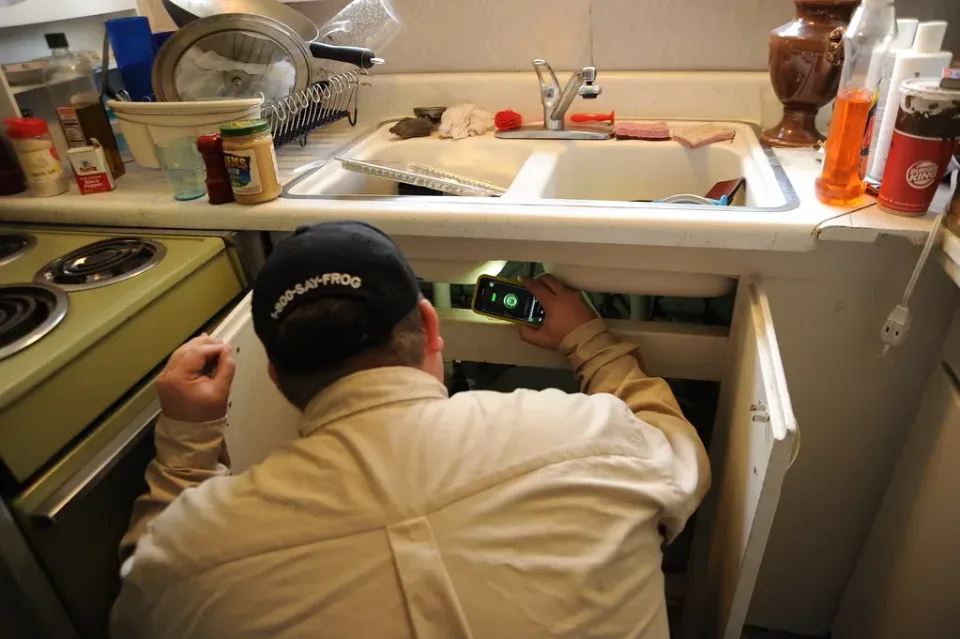
In Northford, spring rain and runoff can leave basements and crawlspaces damp, while autumn leaf litter gives rodents and insects cover near buildings. Around North Branford High School and the Northford Ice Pavilion, our team plans inspections around the specific property rather than assuming every structure has the same access or pest pressure. Check that leaves are not piled against your foundation.
Our crew has more than 10 years of experience serving Northford and coordinates appointment details, access, and parking with each customer. You can expect practical prevention advice and a straightforward next step; call (855) 681-0299 to arrange a visit.
Scratching in a wall at night or droppings beneath kitchen cabinets can point to rodent activity; Northford homes with older stone foundations merit a careful check of gaps and concealed routes. Our crew inspects likely entry points and explains practical rodent-proofing steps. You can safely look for droppings beneath cabinets without moving appliances.
Mud tubes along a basement foundation call for a closer look at the structure. We inspect the affected area and explain whether further assessment is needed.
Summer thunderstorms can send heavy rain through Northford in a short burst, so check for damp basement spots after a storm; moisture can complicate pest conditions. Warm, humid summers also support mosquito and tick activity, making yard conditions relevant to a treatment plan.
We schedule Pest Control visits across Northford, including the 6472 postal code. Tell us what you have noticed and which rooms or outdoor areas are affected.
Freeze-thaw cycles can loosen masonry and foundation joints, giving pests an opening that may be hard to spot from indoors. Near Totoket Mountain, our team checks foundation seams and visible exterior gaps as part of an inspection; after cold-weather shifts, look for fresh cracks from a safe, accessible vantage point.
We use an integrated pest management approach: identify the pest, assess access and harborage, then choose a proportionate response. The National Integrated Pest Management Road Map emphasizes coordinated prevention and control, which is why we pair treatment planning with a practical inspection.
Northford Congregational Church is a familiar local reference, but each property’s construction and access determine the work. We document findings and explain the next step clearly. Call us if you find a new foundation opening or recurring pest activity.
We serve all four named Northford areas. In Clintonville, our Pest Control visits start with the customer’s reported activity and the rooms or exterior areas they can show us. For North Guilford properties, tell us about the building and any access limits so we can plan the inspection.
Montowese customers can help us narrow the search by noting where pests appear and when; a simple written record can make the first inspection more focused. In Rockland, clear access to the areas you want checked helps our team assess the problem without unnecessary disruption.
If you are considering do it yourself pest control, avoid applying a product before checking its directions and whether it fits the pest and location. EPA pesticide label requirements specify approved use directions; our crew follows label instructions when treatment is appropriate. Ask us about a no pesticide pest control approach if prevention or exclusion may address the issue.
Get clear explanations and pest service shaped around your property.
That background helps technicians assess common entry points at Northford properties.
Technicians identify the pest and its activity before selecting treatment. They explain what they find and discuss the recommended work, so you understand the scope before service begins.
After treatment, the technician can recommend follow-up based on the pest and property. Scheduling can account for monitoring and pest life cycles, rather than treating every situation as if it needs the same plan.
Wasps repeatedly gathering at an attic vent can point to activity near an opening. Watch from a safe distance and note where they enter. Avoid blocking the vent or disturbing the area before a technician can assess it.
Ticks found on pets after time in the yard are a sign to pay attention to outdoor pest activity. Check pets after yard visits and note where they spend time, so a technician can understand the areas of concern.
Spring rain and runoff can make it useful to check basements and foundation areas for signs of pest activity. If you notice new activity after wet weather, an inspection can help identify the pest and whether entry points need attention.
Warmer weather brings increased attention to outdoor pests such as ticks, as well as termite activity. If you find ticks on pets or notice signs around the property, a technician can identify the concern and recommend an appropriate response.
As temperatures begin to shift, check for pest activity around foundations, utility openings, and other access points. An inspection can identify signs that may need attention and help set follow-up recommendations according to the pest.
Inland temperature swings can send mice seeking shelter indoors. If you notice activity in a basement or near an opening, a technician can investigate and explain treatment and follow-up options for the property.
Pesticide work can be subject to state requirements.
The right timing can depend on the pest, property, and monitoring needs. Ask how any follow-up is scheduled and what would prompt another visit, so you know what to expect after the initial service.
A clear scope helps you understand which areas and tasks are part of the service. Ask what the technician plans to inspect or treat and whether any recommended work is separate from the agreed treatment.
Written terms can explain the service scope, follow-up arrangements, and any conditions that apply. Review them before agreeing to work, and ask the provider to clarify anything you do not understand.
Request a quote online or contact our Northford, CT team directly by phone or email.
Note when and where you hear the sound, then look for droppings or rub marks in accessible areas without opening the wall. In Clintonville or elsewhere in Northford, our team can inspect likely entry points and explain the findings.
It can leave basements and crawlspaces damp, so check accessible areas for water after rain. Tell our team where moisture collects and whether you have noticed pest activity.
Tell us which rooms or outdoor areas are affected, secure pets before the technician arrives, and clear stored items from inspection access points. Share parking and building access instructions when scheduling.
Yes. Our team follows applicable EPA pesticide product labeling and use directions, explains the planned treatment, and provides any label-directed preparation or re-entry instructions that apply.
Pest Control is also available in these nearby communities across Connecticut.