Inspect Before Treating
We identify the pest and the activity level before selecting any treatment. That means the product, placement, and follow-up plan match what is actually happening in your home, not a guess.
Pemberwick sits in a narrow pocket of the Byram River valley, where older wood-frame homes and brick apartment buildings line streets near Pemberwick Park and the river itself. That mix dense housing, river-adjacent flood exposure, and basements that stay damp after spring rain is exactly the environment mice, termites, and cockroaches look for.
Our team handles Mice Control, Termite Treatment, Bed Bug Treatment, Cockroach Treatment, and Rodent Exclusion for the compact multifamily buildings and single-family homes that make up most of this community. Every job starts with a clear inspection finding what pest, where, and why it got in.
Nor’easters bring wind, rain, and snow that push pests toward heated structures, so we plan exclusion work before winter, not after the scratching starts. If you hear activity at night along Pemberwick Road or find droppings under a kitchen cabinet, call (855) 681-0299 and we will schedule an inspection that tells you exactly what you are dealing with.
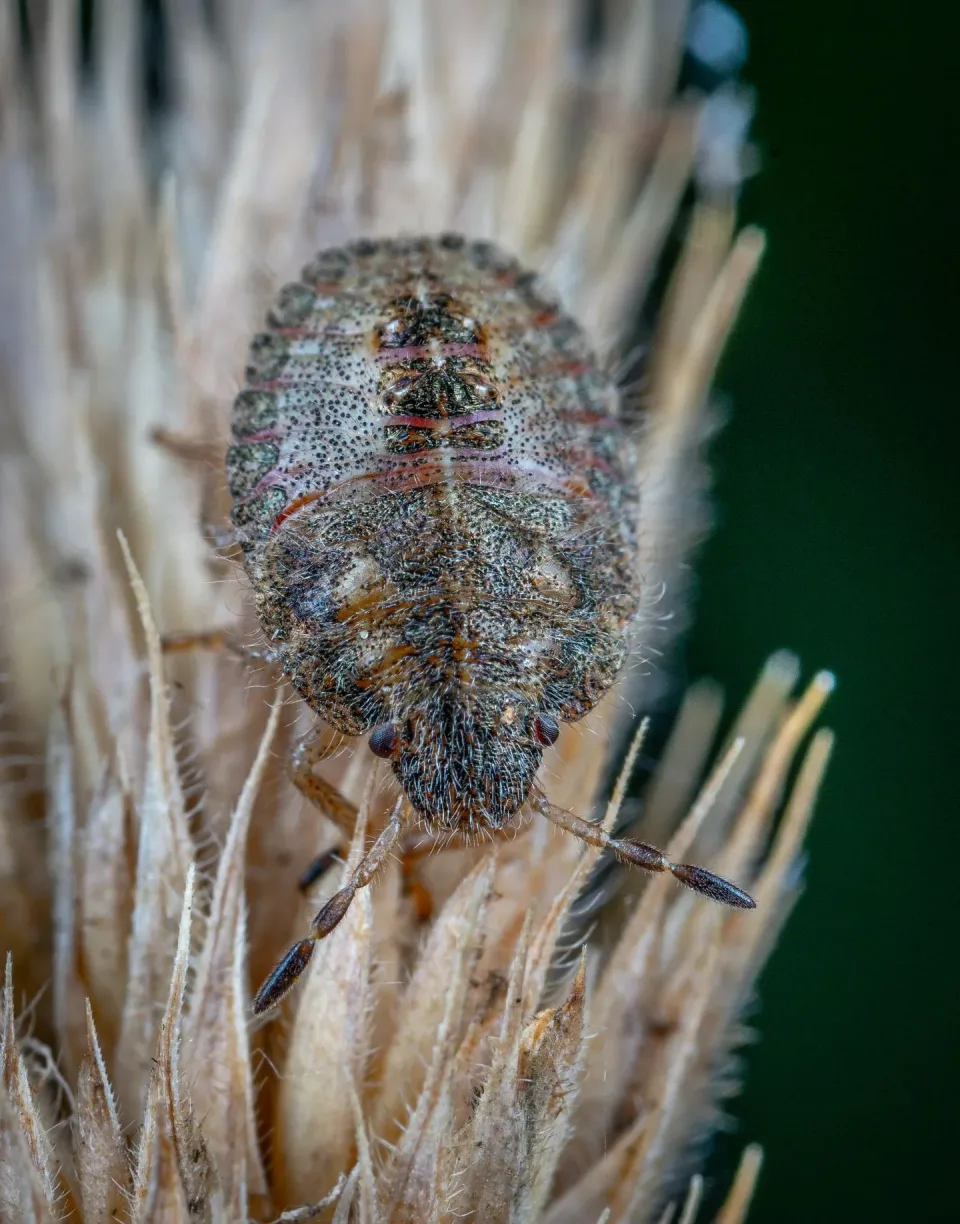
Walk along the Byram River past Pemberwick Park and you can see why pest pressure here differs from inland towns. River flooding and heavy rain keep crawlspaces and basement slabs damp, and our coastal winters stay milder than the hills to the north which means rodents and overwintering insects stay active closer to your living space for more of the year. High summer humidity worsens indoor moisture problems too, and damp wood plus standing water draw everything from termites to cockroaches.
Connecticut Pest Pros provides pest control throughout Pemberwick with crews dispatched from our Connecticut operation. When you call, we confirm the target pest and affected rooms, give you straightforward preparation steps, and book a window that works around your building’s access and parking. Expect a named technician, findings explained in plain language, and follow-up scheduled by pest lifecycle rather than guesswork.
Three situations drive most of our Pemberwick work. First: scratching inside walls once snow cover settles in.
Snow insulates the ground and hides food sources, which pushes rodents toward heated buildings and the older wood-frame homes near the river have foundation joints and utility penetrations that let them in. We run Mice Control and Rodent Exclusion together, sealing gaps rather than just baiting.
Second: warm, humid summers along the Byram River corridor support mosquito and tick activity, so families near Pemberwick Park call us for Tick Control and Mosquito Treatment before backyard season peaks. Third: autumn leaf litter piling against foundations shelters rodents and insects through winter we tell customers to rake it back from the wall, and we treat the harborage it leaves behind.
A quick self-check: run your hand along basement sill plates and look for grease smudges or droppings; rodents travel the same paths repeatedly. We also handle Cockroach Treatment, Ant Control, and Wasp Nest Removal across the 6831 ZIP code. One note on coastal exposure: salt air corrodes exterior hardware near the shore, and we check door sweeps and vent covers for corrosion gaps during exclusion inspections.
Damp mortar joints and wet sill plates attract termites, carpenter ants, and the insects spiders and centipedes feed on.
Our crew starts every basement call with a moisture check before we treat anything. A residual treatment applied to a wet foundation fails fast, so we identify the water source first a downspout discharging at the wall, a crawlspace without vapor barrier and tell you what to fix.
The CDC notes that moisture control is part of reducing pest-related health risks indoors, which is why we pair treatments with drainage and ventilation advice. Follow-up timing varies by pest and treatment: termite work gets re-inspected on a different schedule than ant or roach service, and we set that calendar with you before we leave.
You can check one thing yourself: after the next heavy rain, look along your basement floor joints for damp lines or mud tubes. If you find either near the river side of the house, bring us in for a full inspection.
Our coverage in Pemberwick is compact by design this is a small, dense community, and one crew can reach most of it within minutes along Pemberwick Road and CT 137. Rock Ridge homes at the upper edge of the neighborhood tend toward larger lots with more tree cover, so our calls there lean toward ticks, carpenter ants, and wasps nesting in eaves.
Down in the river valley near Pemberwick Park, the older wood-frame homes and brick apartment buildings keep us busy with Mice Control and Cockroach Treatment, especially in buildings with shared walls where a roach problem in one unit spreads quickly. Properties with river-adjacent flood exposure get our fullest inspection, because repeated water intrusion opens the foundation joints that rodents and termites use.
We quote every job the same way: confirm the pest, measure the treatment area by rooms or square footage, and explain the plan before work starts. If your street sits between the park and the ridge, we cover it one call to (855) 681-0299 confirms your address and books the visit.
Pemberwick homeowners call us because we inspect first, explain what we find, and treat the actual problem.
We identify the pest and the activity level before selecting any treatment. That means the product, placement, and follow-up plan match what is actually happening in your home, not a guess.
We know how mice, termites, and ticks move through Connecticut properties across the seasons.
Technicians explain what they find, address entry points where appropriate, and recommend follow-up based on the pest and the property. You know what was done and what comes next.
Every job follows the same path from first call to finished treatment.
Phone Intake
You describe what you are seeing and where. We ask about the property, the pest signs, and access, then set an inspection appointment that fits your schedule.
Full Inspection
A technician checks basements, attics, foundation lines, and the areas you reported. You get a clear identification of the pest, the activity level, and the entry points involved.
Treatment Plan
Before any work starts, we lay out the treatment options, what each covers, and what follow-up makes sense. You approve the scope before we begin.
Service and Follow-Up
We treat the agreed areas, address entry points where appropriate, and set monitoring where useful. Follow-up is scheduled around the pest life cycle so the work holds.
Across pest control calls, the most common reasons people reach out are rodents, general pest control and ants.
The crew schedules an inspection of the bedrooms and bedding, confirms the activity, and quotes a heat treatment with the scope spelled out before any work begins. The owner gets a written treatment plan and knows exactly what the heat treatment covers before committing.
A technician inspects the foundation, basement, and utility openings, then treats and seals entry points where appropriate and sets a follow-up around the mice life cycle. Activity drops and the owner knows which openings were addressed and when to expect the next check.
Cockroaches appearing near kitchen drains usually mean a population is established nearby. They feed at night, so daytime sightings near sinks or drains suggest pressure is building. Early treatment is far easier than treating a spread population.
Wasps entering through attic vents point to a nest in the eaves or roof cavity. Watch the flight path from a distance at midday. Do not plug the vent while wasps are active, since it can push them into living space.
Ticks found on pets after yard visits mean the property edge is holding them. Check pets after they have been in tall grass or brush, and keep lawn edges trimmed. A yard-focused treatment can cut down the population.
Heavy rain and river flooding push ants, termites, and other moisture pests toward foundations. Spring is a good time to inspect basements and foundation lines before colonies settle in.
Humid coastal summers drive wasp nests, ticks, and cockroach activity. Treatments in summer target yard edges, eaves, and the damp areas pests use to breed.
Cooling nights send mice and other rodents looking for winter shelter. Sealing utility openings and checking attic vents in fall keeps them from settling inside walls.
Snowstorms and mild coastal winters both push mice into basements and wall voids. Winter service focuses on interior activity and monitoring while rodents stay hidden indoors.
Nighttime Scratching in the Walls
Before: Scratching sounds inside walls at night kept the household awake, with no clear idea what was moving or where it was getting in.
After: A technician identified the rodent activity, treated the wall voids, addressed the entry points where appropriate, and set monitoring with follow-up scheduled around the life cycle.
Connecticut requires a DEEP pesticide applicator license for this work. Confirm it before anyone treats your property.
Understand whether you are agreeing to a single treatment or an ongoing plan, and what happens if activity continues.
Request a quote online or contact our Pemberwick, CT team directly by phone or email.
Typical ranges: mouse treatment $150–$500 depending on infestation size and follow-up visits; termite treatment $500–$2,500 based on structure size and method; bed bug treatment $300–$1,500 depending on rooms treated and preparation; cockroach treatment $150–$500 with repeat visits for severe cases; mosquito treatment $75–$200 per visit based on yard size and seasonal schedule. Final quotes vary by scope, infestation, access, and site conditions we confirm pricing after inspection.
Mice and rats top the list in the river valley, especially in older wood-frame homes where snow cover pushes rodents toward heated buildings. Termites and moisture-loving ants follow in damp basements, and ticks and mosquitoes surge in summer near Pemberwick Park and green lots.
Yes. Rock Ridge calls usually involve ticks, carpenter ants, and wasp nests in tree-heavy yards, while homes closer to the river see more rodent and roach work. One crew covers the full 6831 ZIP code, typically same-week.
Yes.
Pest Control is also available in these nearby communities across Connecticut.