Inspect Before Treating
Every job starts with identifying the pest and the activity level before any product is selected. That keeps treatments targeted instead of guesswork, and it means you know what was found and why the plan fits your property.
Shoreline homes in Westbrook Center face a pest season that never fully ends. Cold winters push mice into heated houses, and salt air along the Patchogue River corrodes door sweeps and vent covers until a pencil-wide gap opens up and a mouse only needs about 1/4 inch to get inside. Our team handles that reality every week, from the raised coastal homes near Westbrook Town Beach to the wood-frame cottages off CT 145.
We treat the full range: mice in wall cavities, termites in damp crawlspace framing, wasps nesting at attic vents, ants trailing through kitchens, and ticks in the leaf litter around Grove Beach and Clinton Beach yards. Every job starts with an inspection, not a spray can.
An early freeze can stretch indoor pest activity well past fall, so we plan treatments around what the season is actually doing here on the shoreline. Freeze-thaw cycles loosen masonry and foundation joints each winter, which is why we re-check entry points we sealed the year before.
Call (855) 681-0299 and we will schedule an inspection for your Westbrook Center home.
Westbrook Center is a shoreline town where summer tourism, the marinas along the Patchogue River, and shopping traffic near Westbrook Outlets keep properties busy and busy properties attract pests. Autumn leaf piles shelter rodents and insects, snow cover drives mice toward heated buildings, and a nor’easter can knock out a vent screen in an afternoon. Salt air near the coast corrodes exterior hardware, turning snug door frames into entry points by spring.
When you call, you get an inspection appointment, a written explanation of what we found, and a treatment plan matched to your property whether it is a raised coastal home in Harbor View or a cottage near Westbrook Town Beach. We coordinate scheduling around your access and parking, and we tell you exactly what to expect before we arrive.
Three situations bring most Westbrook Center calls to us. First, mice: cold winters with recurring snow and ice push rodents into heated homes, and shoreline cottages near Westbrook Town Beach have aging framing with gaps wide enough for a 1/4-inch mouse.
We inspect, seal entry points, and place tamper-resistant bait stations. Second, damp-basement pests: spring rain increases basement dampness and flooding here, and seasonal rainfall keeps crawlspace moisture high, which draws termites, ants, and cockroaches to framing and drains.
We treat the pest and tell you what the moisture is doing to your structure. Third, summer yard pests: warm, humid conditions support mosquito and tick activity around Grove Beach and Clinton Beach properties, and we run seasonal tick and mosquito treatments through the peak months.
A quick check you can do yourself: run your hand along basement foundation joints after a wet spring. If the wood near sill plates feels soft or you see mud tubes, note the location for our inspector.
We serve all Westbrook Center addresses in ZIP code 06498, including homes off CT 145 and CT 153.
Tropical storms can cause flooding and downed trees in Westbrook Center, and both matter for pest control. A flooded crawlspace under a raised coastal home near the Patchogue River becomes a termite and ant attractant, while a downed tree left against a house gives carpenter ants a direct bridge to the roofline. We clear the pest issue and flag the conditions that invited it.
Our treatment approach follows the National Integrated Pest Management Road Map inspection, exclusion, and targeted treatment before broad spraying and follow-up timing varies by pest and treatment, so we schedule return visits based on the life cycle we are fighting, not a fixed calendar.
One more local factor: salt air near Westbrook Town Beach corrodes exterior hardware, so we check vent covers, door sweeps, and utility penetrations for storm and corrosion damage on every shoreline inspection. We also follow guidance from the U.S. Centers for Disease Control and Prevention on tick and rodent disease prevention when advising homeowners.
If your home sits in the storm path along the shoreline, ask us for a post-storm inspection.
Yes we cover every Westbrook Center neighborhood in ZIP 06498, and the housing mix changes how we work in each one.
In Ridgewood, homes back up to wooded lots, so autumn leaf litter shelters rodents and we focus on exclusion work at foundation lines. Grove Beach properties sit close to the shoreline, where salt air corrodes vent hardware and we re-inspect seals each season.
Clinton Beach cottages are older wood-frame builds, which means tighter crawlspaces and more frequent carpenter ant and termite checks. Pond Meadow homes deal with damp lowland yards, so tick and mosquito treatments run heavier there in summer.
Harbor View raised coastal homes need crawlspace inspections after spring rain and coastal storms. Kelseytown properties off the main corridors need flexible scheduling, which our routing handles easily.
Every neighborhood gets the same inspection-first process and the same DEEP-certified treatment standards. Tell us your street when you call (855) 681-0299 and we will tell you what we typically find there.
Connecticut Pest Pros treats Westbrook Center homes with inspections first and treatments sized to what the technician actually finds.
Every job starts with identifying the pest and the activity level before any product is selected. That keeps treatments targeted instead of guesswork, and it means you know what was found and why the plan fits your property.
Coastal homes near Westbrook Center deal with salt spray, flood risk, and humid summers that push pests indoors. Ten years of Connecticut work means we know how older foundations and utility openings let rodents and insects in.
A straightforward process from your first call to a property that stays monitored.
Describe the Problem
You call and tell us what you’re seeing, whether that’s bites, droppings, scratching, or insects near drains. We ask a few questions about the property and schedule an inspection that fits your availability.
Inspect and Identify
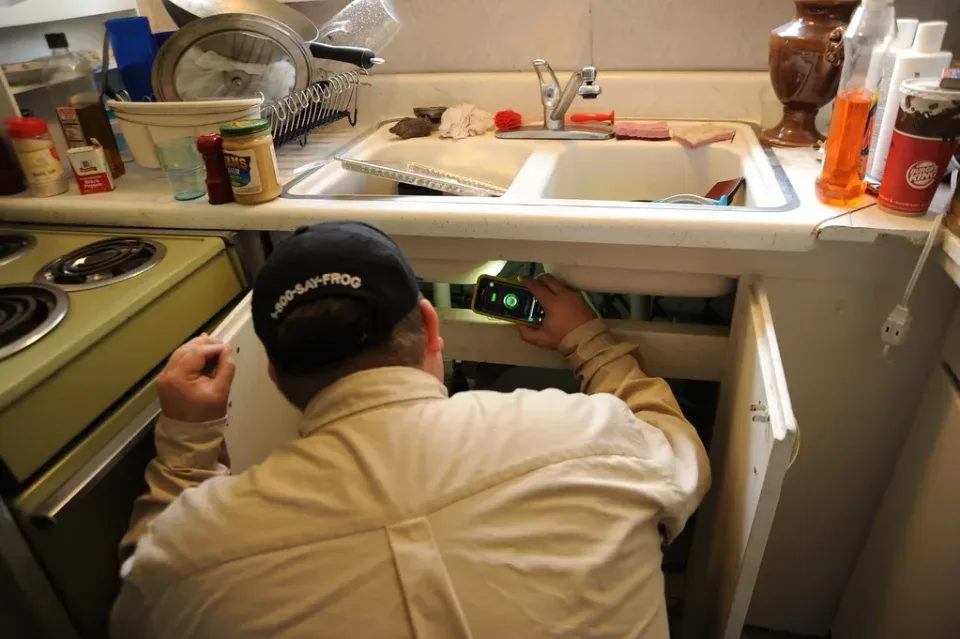
A technician checks basements, attics, and the areas where activity shows up, confirming the pest before recommending anything. You get a clear explanation of what was found and a written scope of the work.
Treat and Seal
The crew applies the agreed treatment and addresses entry points where appropriate, like gaps around utility lines or foundation openings. We keep children and pets away during restricted entry periods and explain reentry timing.
Follow Up on Schedule
Follow-up visits are scheduled around the pest’s life cycle and monitoring results, not on a fixed guess. Devices stay in place unless we move them, and you’ll know when the next check happens.
Across pest control calls, the most common reasons people reach out are rodents, general pest control and ants.
A technician inspects mattresses, seams, and nearby furniture to confirm the extent, then walks the owner through what a heat treatment involves and provides a quote based on the apartment or room count. The owner gets a written scope before committing, and treatment is scheduled once the estimate is approved. Preparing laundry and clearing clutter ahead of the visit makes the heat cycle more effective.
The crew inspects the kitchen, basement, and utility openings to find where mice are entering, then sets treatment and monitoring around the activity and explains what the follow-up schedule looks like. Activity drops as entry points are addressed and monitoring confirms the population is declining. Homeowners who secure food and pet supplies before service help the treatment hold longer.
A technician walks the units to see what the infestation takes to clear, checking shared walls and common areas, then provides an estimate covering inspection and treatment across the affected apartments. The landlord gets a plan sized to the building rather than a flat guess. Coordinating treatment across units at the same time keeps bugs from moving between apartments and restarting the problem.
Mud tubes along a basement foundation are a classic subterranean termite sign. Termites build these pencil-width tunnels to travel between soil and wood. If you spot one, leave it intact for the inspection so the technician can confirm whether it's active.
Cockroaches appearing near kitchen drains usually mean a breeding population is established nearby, not a stray wanderer. They favor moisture and food residue around sinks and pipes. Seeing them in daylight often points to a larger hidden number.
Ticks found on pets after yard visits signal activity in grassy or wooded edges of the property. Check pets after they've been outside, especially near tall grass and brush. Repeated finds mean the yard itself needs attention.
Warming soil wakes up termites and ants, and mud tubes start appearing on foundations along the shoreline. Spring is the right time for an inspection, because catching termite activity early limits how far a colony gets before treatment.
Humid summers drive wasps, ticks, and roaches into high gear, and coastal moisture keeps breeding sites active. Yards, attics, and kitchen drains all need attention. Booking treatment during peak activity keeps populations from settling in.
Cooler nights push rodents and overwintering insects toward walls and attics. Nor'easter season also exposes gaps where flooding and wind damage create new entry points. Sealing openings before deep cold arrives saves a bigger problem later.
Snow and cold drive mice into basements and wall voids, where scratching in the walls becomes the first sign most owners notice. Winter is a good time to treat established indoor activity and plan exterior work for the thaw.
Connecticut requires DEEP pesticide applicator licensing for this work. A licensed technician applies products legally and knows the state's safety rules for homes with kids and pets.
Ask whether re-treatments are included, how long the service agreement runs, and what cancellation requires. Clear terms now avoid disagreements if activity continues after the first round.
Request a quote online or contact our Westbrook Center, CT team directly by phone or email.
Costs depend on the pest and the property. Mouse treatment typically runs $150–$500 depending on infestation size and follow-up needs, termite treatment ranges $500–$2,500 based on structure size and method, and mosquito treatment runs $75–$200 per visit depending on yard size and seasonal schedule. Final quotes vary by scope, infestation, access, and site conditions we confirm pricing after inspection.
Yes. We cover all of Westbrook Center in ZIP 06498, including Grove Beach, Clinton Beach, Harbor View, and homes along the Patchogue River. Shoreline properties get extra attention on salt-air corrosion at vents and door sweeps, plus post-storm crawlspace checks after coastal flooding.
Any time you see mud tubes along your basement foundation or find soft wood near sill plates after a wet spring. Spring rain and seasonal moisture raise crawlspace dampness here, which attracts subterranean termites. We offer termite inspections and will show you exactly what we find before recommending treatment.
Yes. We are also insured and hold National Pest Management Association membership.
Pest Control is also available in these nearby communities across Connecticut.