Inspect Before Treating
Every job starts with identifying the pest and the activity level before anyone picks a treatment. That means you get a plan based on what is really in your walls, basement, or kitchen, not a guess.
When snow piles up around homes near Bristol Central High School, rodents head for the nearest heated wall cavity and that wall is often yours. We handle pest control across Bristol, CT and 06011, from the Cape Cods and split-levels in East Bristol to the historic colonials around Bristol Public Library.
Our team checks what most homeowners miss: foundation joints loosened by freeze-thaw cycles, attic vents wasps use as a front door, and the damp basement corners that spring rain leaves behind. Early freezes can stretch indoor pest activity well past the season you’d expect, and high summer humidity keeps moisture-loving pests active inside long after the yard dries out.
We inspect first, explain what we found in plain terms, and treat only what needs treating. One call to (855) 681-0299 gets a Bristol technician scheduled usually the same week.
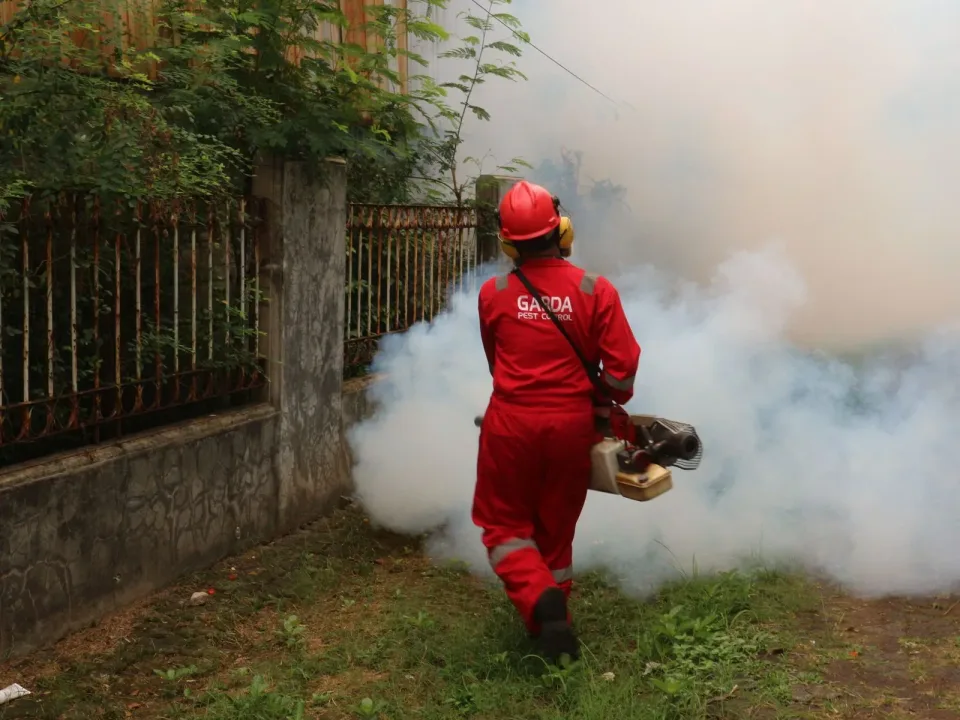
Bristol’s housing mix historic colonials near Bristol City Hall, mid-century Capes in Whigville, brick storefronts along Main Street gives pests plenty of ways in. Cold winters with recurring snow and ice push mice and rats toward heated buildings every year, and each spring rain raises basement dampness in the full poured-concrete and stone foundations common here. Warm, humid summers then support mosquito and tick activity in yards from Bristol Memorial Park out to East Bristol.
We schedule around your week, arrive with inspection flashlights and borescope cameras, and give you a written findings summary before any treatment starts. Expect straightforward pricing drivers, label-directed product use, and a follow-up plan timed to the pest’s lifecycle not a one-and-done spray.
Most Bristol calls fall into three patterns. First: scratching inside walls at night, usually mice that slipped through a gap about 1/4 inch wide pencil-width where freeze-thaw cycles have opened a masonry joint.
We run rodent exclusion with snap traps and tamper-resistant bait stations, then seal the entry points. Second: mud tubes along a basement foundation, a sign subterranean termites are feeding on the sill plate. We confirm with a full termite inspection before recommending treatment.
Third: spring and summer moisture problems. Seasonal rainfall keeps crawlspace and basement humidity high in Bristol’s older homes, drawing cockroaches and ants toward kitchen drains and damp wood.
Here’s a self-check you can do tonight:
Run a flashlight along the basement sill plate for mud tubes or rub marks.
Look under kitchen cabinets for droppings or grease smears.
Check attic vents from outside for torn screening.
We cover all of Bristol, including ZIP codes 06010 and 06011. If any of those checks turn something up, call us before the population grows.
Because the houses near Bristol Hospital and the Victorian-era streets off Bristol High School were built long before modern sealing standards. Stone and brick foundations in these neighborhoods crack at the joints as our Northwestern-adjacent winters drop heavier snowfall than the coast sees, and every thaw-refreeze cycle widens the gap a little more.
That changes how we work. Our treatments follow the National Integrated Pest Management Road Map inspection, exclusion, and targeted application before broadcast spraying. We follow U.S. EPA pesticide labels to the letter, meaning approved rates, placement, and re-entry intervals, and we use CDC guidance when rodents raise contamination concerns in attics or wall cavities.
A check you can do yourself: on a cold morning, look for warm-air leaks at the sill line where the foundation meets the frame. Mice find those same gaps. If you spot one, we can seal it and treat the activity in the same visit.
Product use must also meet Federal Insecticide, Fungicide, and Rodenticide Act label requirements; the label is federal law, not a suggestion.
Follow-up scheduling matters too: we time return visits around pest life cycles and monitoring results, because retreating on a fixed calendar without evidence wastes product and money.
How to protect yourself as a Bristol homeowner: ask any provider for their DEEP certification number before they open a truck door. Ours is on every work order. Then let us handle the treatment plan, documentation, and follow-up the statutes expect.
Connecticut Pest Pros treats Bristol homes with inspections first and treatments matched to what the technician actually finds.
Every job starts with identifying the pest and the activity level before anyone picks a treatment. That means you get a plan based on what is really in your walls, basement, or kitchen, not a guess.
Bristol houses have the same weak points, and we know where to check first.
Technicians explain what they find, address entry points where appropriate, and recommend follow-up based on the pest and the property. You know what was done and what comes next before we leave.
From the first call to the finished treatment, the process stays simple and explained at every stage.
First Phone Call
You describe what you are seeing, and we schedule an inspection that fits your calendar. You get a visit set up without pressure or a long back-and-forth.
Full Inspection
A technician checks the affected areas and identifies the pest and activity before selecting a treatment. You get a clear explanation of what was found and what it takes to fix it.
Treatment Day
The crew treats the agreed areas and addresses entry points where appropriate. You get prep instructions ahead of time, like securing food and keeping children and pets clear during restricted entry periods.
Follow-Up Plan
We schedule follow-up around the pest’s life cycle and monitoring results rather than a fixed guess. You get a timeline that matches how the pest actually behaves in your home.
Cockroaches appearing near kitchen drains usually mean a larger population hiding nearby. They come out at night and move fast, so a daytime sighting often points to crowding. Note where you see them before calling.
Wasps entering through attic vents suggest a nest forming inside the roofline. Watch the opening from a distance at a safe range and note the traffic pattern. Do not plug the vent while wasps are active inside.
Ticks found on pets after yard visits signal activity in grass and brush around the property. Check pets after they come inside, and mention where on the yard they spend time so treatment can target those areas.
Frequent spring rain pushes ants, termites, and other pests toward drier shelter, and mud tubes often show up on foundations as colonies wake up. An inspection now catches activity before it spreads into basements and wall voids.
Warm, humid weather speeds up breeding for roaches, wasps, and ticks. Yards get heavy use and pets bring ticks back inside. Treatments in summer target active colonies while they are easiest to locate.
As foliage drops and temperatures cool, mice and other rodents start looking for winter shelter. Sealing entry points and treating before they settle in keeps them out of basements and wall cavities all season.
Nor'easter storms drive rodents indoors, and scratching in walls becomes common in older homes with utility openings. Winter is a good time to treat established mouse activity and close the gaps they used to get in.
Pesticide application in Connecticut requires DEEP licensing. Asking confirms the person treating your home is qualified to apply products legally and safely.
Some jobs cover inspection and one treatment, others include entry-point work and monitoring devices. Knowing the scope up front prevents surprises on treatment day.
Good follow-up is timed to the pest's life cycle, not a generic calendar. The answer shows whether the plan is built around your actual infestation.
Clearing access to basements and attics and securing food, dishes, and pet supplies makes the treatment faster and more effective. A provider should spell this out before arriving.
Some pests need repeat visits tied to monitoring results. Understanding contract terms before signing keeps expectations and costs aligned.
Request a quote online or contact our Bristol, CT team directly by phone or email.
Mice top the list cold, snowy Bristol winters and snow cover drive rodents toward heated buildings, and older foundations near Bristol Central High School and in Whigville offer plenty of entry gaps. Termites, carpenter ants, wasps, and ticks follow close behind in warmer months.
Yes. We cover all of Bristol, including East Bristol, Whigville, and both ZIP codes 06010 and 06011, with scheduling from our Connecticut dispatch team. Most appointments land within the same week you call.
We also follow EPA label directions on every product we apply, which is a federal requirement under FIFRA.
It depends on the pest, the size of the infestation, and access to the affected areas mouse work, termite treatment, and bed bug jobs each price out differently. We inspect first and give you a written quote before any treatment begins; final quotes vary by scope, infestation, access, and site conditions.
Pest Control is also available in these nearby communities across Connecticut.