Local Building Insight
The team’s experience in Connecticut homes includes older foundations, basements, and utility openings that can provide pest entry. Technicians explain what they find and address entry points where appropriate.
At Derby Green, winter weather can affect pest access as well as outdoor routines. Freeze-thaw cycles loosen masonry and foundation joints, leaving openings that mice can use; our crew checks those seams instead of treating the sighting alone.
Early freezes may extend indoor pest activity, so a mouse heard in a wall after temperatures drop still deserves a careful inspection. We look at the building’s accessible entry points and explain what we find before recommending treatment. Short version: we check first.
From East Derby to properties near Griffin Hospital, our team handles pest concerns in Derby homes and businesses, with scheduling coordinated around building access. The Housatonic River and nearby low-lying areas also make it useful to consider site conditions when inspecting basements and exterior edges; we do not assume every property has the same exposure.
We’ll explain the next steps plainly.
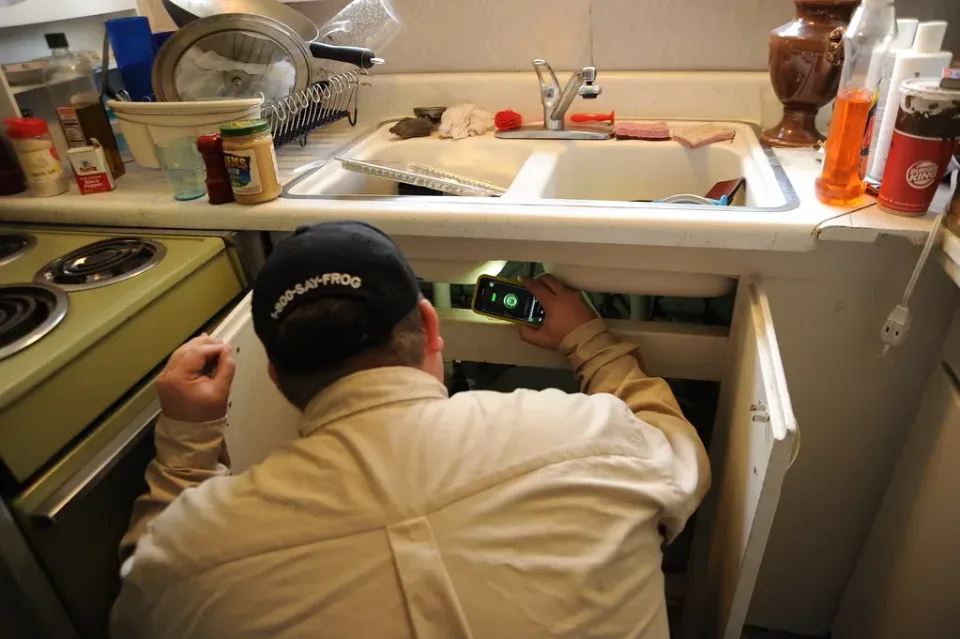
Derby’s Housatonic River setting and the homes around Griffin Hospital give our crew a practical reason to inspect each property rather than assume one treatment fits all. Autumn leaf litter can shelter rodents and insects, so we ask customers to check the edges of foundations and keep debris from piling against the building.
Snow cover can also push rodents toward heated structures; sealing accessible gaps matters alongside any indoor control. Our team uses those seasonal clues to shape an inspection.
We coordinate appointments for local homes and businesses, explain findings, and outline treatment and prevention steps before work begins. Please share access and parking details when scheduling.
Derby’s warm, humid summers support mosquito and tick activity, so our crew checks the outdoor areas customers use before planning seasonal treatment. A simple self-check: look for standing water in containers and inspect pets after yard visits. We can discuss Mosquito Treatment or Tick Control based on the property and the concern.
Humidity can worsen indoor moisture problems, including in older properties near the Housatonic River. If cockroaches appear near a kitchen drain, note the room and check for leaks or dampness; our team inspects the affected area and plans treatment around what we find.
Tropical storms can bring flooding and downed trees, which may change access and expose new pest entry routes. Our crew accounts for those site conditions during service planning.
We schedule Pest Control in Derby, including service for ZIP code 6418. Contact us with the pest observed and the rooms or outdoor areas affected.
After heavy seasonal rainfall, a damp basement or crawlspace deserves attention before pest treatment is planned. Spring rain increases basement dampness and flooding, and persistent moisture can complicate inspections around stored items and foundation edges. Our crew checks accessible areas and records where activity and moisture overlap.
Derby properties near the Housatonic River may have different site conditions from one building to the next. We do not infer flooding at a specific address from its location; we ask what the owner has observed and inspect the accessible basement perimeter.
Seasonal rainfall can also raise crawlspace and basement moisture, so clearing access to those areas helps us check thoroughly. The U.S.
Centers for Disease Control and Prevention advises people to remove attached ticks promptly; after visits to Osbornedale State Park, check pets and people rather than relying on yard treatment alone. We can assess pest activity and discuss suitable next steps.
Pesticide work in Derby must follow state and federal requirements, even when a job is inside a private home.
The Federal Insecticide, Fungicide, and Rodenticide Act requires pesticide use to follow the product label. We follow label directions and explain any preparation or re-entry instructions that apply.
Derby Green provides a local point of reference, but local conditions do not replace state or federal rules. If you are unsure what a proposed treatment requires, ask us to explain the plan before the appointment.
Get clear answers and pest service shaped around your property.
The team’s experience in Connecticut homes includes older foundations, basements, and utility openings that can provide pest entry. Technicians explain what they find and address entry points where appropriate.
A technician identifies the pest and its activity before selecting treatment. You can discuss the recommended work and what the property needs before service begins, rather than guessing at the scope.
Follow-up recommendations are based on the pest and property, not a one-size-fits-all timetable.
Spring brings renewed pest activity, and occasional river flooding can leave damp areas that deserve attention. An inspection can help identify where pests are active and whether moisture or openings around the property need consideration.
Warm-weather activity can include termites and ticks, making summer a useful time to check the property and outdoor areas. A technician can identify the pest concern and explain treatment or monitoring recommendations for the site.
As outdoor conditions change, pests may seek shelter in homes and buildings. Inspecting basements, attics, and utility openings can help identify activity and entry points before indoor signs become more noticeable.
Mice may seek shelter indoors during cold weather, especially around foundations and utility openings. An inspection can assess activity in basements and other accessible areas and clarify whether treatment or follow-up is recommended.
Connecticut DEEP pesticide applicator licensing? This helps you confirm the provider is authorized for pesticide application in Connecticut. Ask which applicator will handle the work and whether the planned treatment fits the pest and property.
Access to basements, attics, and treatment areas can help the technician inspect and complete the planned work. Ask which spaces need to be clear and whether food, dishes, or pet supplies should be secured.
Ask for the relevant details before authorizing work, including any limits or conditions.
Request a quote online or contact our Derby, CT team directly by phone or email.
Note when and where the sounds occur, then check for visible droppings near accessible food-storage areas without disturbing suspected nesting material. Our crew can inspect accessible entry points and explain a treatment and prevention plan for your property.
Yes. We inspect accessible exterior gaps and interior signs, then explain which openings may need exclusion work. Share any access or parking instructions when arranging a visit.
The final quote depends on the pest, infestation scope, affected rooms or outdoor area, access, and site conditions. We inspect and explain the proposed work before treatment.
Pest Control is also available in these nearby communities across Connecticut.