Inspect Before Treating
Technicians identify the pest and the activity level before choosing a treatment. That keeps the job scoped to what your property actually needs instead of a guess.
Coventry Lake sits around Coventry Lake and Coventry Lake Park, where lakefront cottages and seasonal rentals mix with older year-round homes in South Coventry and North Coventry. That housing mix creates two very different pest calendars. Summer brings wasp nests under eaves, ticks in yard edges, and mosquitoes breeding near the shoreline; winter pushes mice toward heated walls.
Our crews handle wasp nest removal, tick control, mosquito treatment, and rodent exclusion for 06238 homes. When early freezes arrive, insects and rodents move indoors sooner than most owners expect that is when our phone starts ringing from lake cottages shutting down for the season. We inspect the structure, name the pest, and give you a written plan before any treatment starts.
One call covers the whole lake area. Reach us at (855) 681-0299 and we will schedule an inspection around your shut-down or opening weekend.
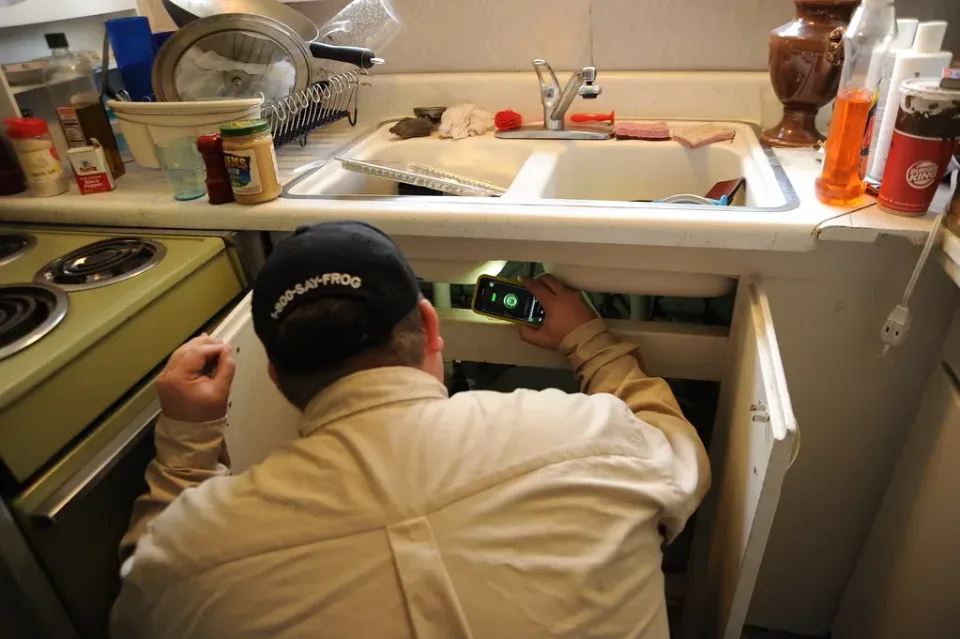
Coventry Lake’s pest pressure follows the water and the weather. Cottages near Coventry Lake and the boat launches at Coventry Lake Park deal with mosquitoes and wasps all summer, while homes closer to the Nathan Coventry Lake side and the fields near Nathan Coventry Lake Historic Park see tick traffic from yard edges and field grass. Around here, winter does the real structural damage: freeze-thaw cycles crack mortar joints and foundation seams on older lake cottages, and once those seams open, mice find gaps the width of a pencil.
Coventry Lake is a small lakeside community in Tolland County, and Coventry Lake treats it that way our crews work the 06238 area on regular routes, so inspections and follow-ups happen on schedule, not whenever a distant dispatcher gets around to it. You get a named pest, a treatment plan, and a follow-up date before we start work.
Three calls dominate our 06238 schedule. First: scratching in walls after the first hard frost, when mice leave yard debris and move into heated wall cavities of older cottages.
Second: wasp nests under eaves and deck rails of lakefront homes near Coventry Lake Park. Third: tick and mosquito pressure in yards bordering field edges and the lake shoreline, where warm, humid summers let both pests breed from May through September.
Our process runs the same way every time:
We inspect the structure and identify the exact pest before quoting anything.
We seal entry points as part of rodent exclusion, not just trap what is inside.
We schedule follow-ups around the pest’s breeding cycle, not the calendar.
Summer thunderstorms around the lake also create a hidden problem storm water pools in yard containers and low spots for days, giving mosquitoes a fresh breeding round. If you find mouse droppings under a kitchen sink or a nest forming above a deck rail, check the area for moisture and gaps first. Then call Coventry Lake at (855) 681-0299 for a written inspection and plan.
Living near Coventry Lake changes pest treatment in two ways most owners do not expect. Spring rain and shoreline runoff keep crawlspaces and basement corners damp longer than in inland Tolland County homes, and that moisture is exactly what carpenter ants, mosquitoes, and mold-feeding insects need to establish colonies. We treat the moisture source as part of the pest plan, because spraying alone never holds.
The second change is access. Cottages near the Nathan Coventry Lake Historic Park side and seasonal rentals around the lake often sit on narrow drives with limited turn-around, so our crews plan vehicle access and treatment staging before arrival no surprise delays on treatment day.
Follow-up timing also differs by pest: mosquito treatments hold for weeks, while wasp nest removal needs a recheck if the queen survived the first treatment. Our crews at Coventry Lake schedule each recheck to the pest’s cycle, not a fixed 30-day rule. If dampness keeps returning to a basement corner after treatment, that is the sign to have us look at drainage call (855) 681-0299.
Coventry Lake works four main areas around the lake, each with its own pest pattern. South Coventry homes near the town center and the Coventry Lake side see the most wasp nest calls older eaves and deck rails on village lots give yellowjackets plenty of cavity space.
North Coventry properties border field edges and wooded lots, so tick control and perimeter rodent exclusion dominate the schedule there. Lakefront cottages along the Coventry Lake shoreline need seasonal mosquito treatment timed to opening weekend, plus mice exclusion before winter shut-down.
Inland toward the Nathan Coventry Lake Historic Park side, homes back onto conservation land, so our crews focus on tick and perimeter treatments rather than interior work.
If your home sits in 06238 and you are unsure which pattern applies, one inspection sorts it out. Call (855) 681-0299 and we will route the right crew.
Connecticut Pest Pros treats Coventry Lake homes with inspections first and treatments matched to the pest.
Technicians identify the pest and the activity level before choosing a treatment. That keeps the job scoped to what your property actually needs instead of a guess.
Ten years of work on Connecticut homes means familiarity with older foundations, basements, and utility openings that let rodents in, plus the seasonal pressures around the lake.
Every job follows the same path from first call to follow-up planning.
Schedule the Visit
Call and describe what you are seeing.
Inspect and Identify
A technician checks basements, attics, and entry points to identify the pest and activity before selecting treatment. You get a clear explanation of what was found.
Treat Entry Points
The crew applies treatment matched to the pest and addresses entry points where appropriate. You learn what was used and which areas to keep clear during entry periods.
Plan Follow-Up
Based on the pest and property, the technician recommends follow-up timed around pest life cycles and monitoring. You know what to expect before the visit ends.
Across pest control calls, the most common reasons people reach out are rodents, general pest control and ants.
A technician inspects the units, confirms where the bed bugs are active, and provides a quote for heat treatment based on what the property requires. The owner gets a written scope for the heat treatment and a schedule that covers the affected units before the problem spreads further.
A technician inspects mattresses, seams, and surrounding areas to confirm bed bugs, then explains treatment options and what preparation the home needs. The resident gets a confirmed diagnosis, a treatment plan, and prep steps like securing food and belongings before service day.
Wasps entering through attic vents suggests a nest in the roof cavity or eaves. Watch the flight path at the opening without disturbing it. A technician can locate the nest and treat it safely before the colony grows through the warm months.
Ticks found on pets after yard visits mean the property is hosting them. Ticks wait in tall grass and brush along yard edges. Treating the perimeter and keeping grass trimmed reduces the population and lowers the risk of ticks riding indoors.
Warming temperatures wake up ants, termites, and overwintering insects around Coventry Lake. Spring inspections catch termite mud tubes and early colonies before they establish inside walls and foundations.
Heat brings wasps, ticks, and roaches into full activity. Lake-area yards and damp kitchens both draw pests, so summer treatments focus on nests, perimeters, and moisture points.
Cooler nights push rodents and insects toward shelter. Sealing entry points and treating exterior zones in the fall keeps mice and cluster pests from settling into walls for the cold.
Inland nor'easters and lake-effect temperature swings drive mice into basements and wall voids. Winter service targets the shelter spots rodents use and monitors activity through the heating season.
Connecticut DEEP pesticide applicator licensing confirms the technician is trained to apply products legally and safely in your home.
Asking up front clarifies whether entry point work, monitoring devices, and follow-up visits are part of the job or billed separately.
Clear access to basements, attics, and treatment areas keeps the appointment on track. Knowing prep steps ahead avoids a rescheduled visit.
Understanding commitment length, monitoring expectations, and what happens between visits prevents surprises after the first treatment.
Request a quote online or contact our Coventry Lake, CT team directly by phone or email.
Yes. Seasonal cottages along the Coventry Lake shoreline are a regular part of our 06238 routes. We time mosquito and wasp treatments to opening weekend and schedule rodent exclusion before winter shut-down, when mice start moving toward heated wall cavities.
Pricing depends on the pest, the size of the structure, and how many follow-ups the treatment cycle needs a wasp nest removal is a different scope than full rodent exclusion or a season of mosquito treatments. We inspect first and give a written quote before any work starts. Call (855) 681-0299 to schedule.
Yes. Every crew member applying product in Coventry Lake holds Connecticut DEEP applicator certification, and every treatment follows the product’s EPA label directions, including re-entry intervals noted on your job sheet.
We cover South Coventry, North Coventry, the lakefront cottage areas along Coventry Lake, and homes near the Nathan Coventry Lake Historic Park side all of 06238. Tick pressure runs highest in North Coventry’s field-edge lots; wasp calls cluster in South Coventry’s older village homes.
Pest Control is also available in these nearby communities across Connecticut.