(855) 681-0299

Pest Control in Tokeneke, CT: Termites, Bed Bugs & Roaches

Tokeneke sits in a narrow coastal pocket of Darien where the Noroton River meets Long Island Sound and that geography shapes every pest call we run. Shingle-style estates near the Tokeneke Historic District and older wood-frame homes off Tokeneke Road stay cool and damp in summer, and high humidity worsens the indoor moisture problems that draw cockroaches and ants toward kitchens and crawlspaces.

We handle the full range for this community: termite inspection and treatment, bed bug treatment, cockroach work, rodent exclusion, wasp nest removal, and mosquito and tick control for yards near the Darien Nature Center and Tilley Pond Park.

Early freezes stretch indoor pest activity. When the first cold snap arrives before Thanksgiving, mice move in early and stay. Our team plans treatments around that local calendar, not a generic one.

Call (855) 681-0299 and we’ll schedule an inspection that fits your street, your access, and your season.

Licensed & insured Pest Control in Tokeneke, CT
1 State
97 Cities served
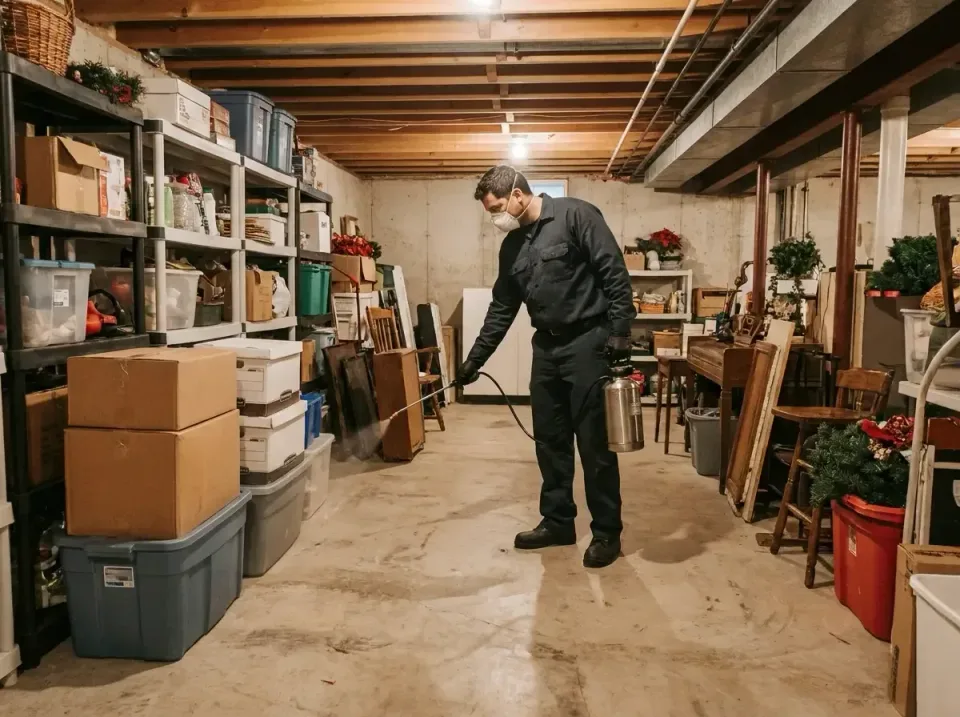
Pest Control Technician — Residential Basement — Pest Control Technician, Handheld Pressure Sprayer, Respirator Mask, Pest C…
About Us

Who Handles Pest Problems in Tokeneke, CT?

Why does this stretch of the Darien shoreline need its own pest plan? Because homes here back up to the Noroton River corridor and Tilley Pond Park, where autumn leaf litter shelters rodents and insects through the cold months. Nor’easters add wind-driven rain that pushes pests toward drier shelter which is frequently your attic.

We route calls from our dispatch through Fairfield County, schedule around your private beach association access rules, and show up when we say we will. Expect a written inspection finding, a treatment plan explained in plain terms, and follow-up timed to the pest not to a sales quota.

Pest Control Services

Three Calls We Run Most Often in Tokeneke

Most Tokeneke pest calls trace back to water and wood. Spring rain raises basement dampness in the older homes off Tokeneke Road, and seasonal rainfall keeps crawlspace moisture high enough to support termites and carpenter ants. Freeze-thaw cycles loosen masonry and foundation joints each winter, opening gaps that mice exploit a mouse needs only about a 1/4 inch.

We run three call types here more than anywhere else:

Termite inspection and treatment for mud tubes along basement foundations in estate-style homes. Rodent exclusion and mice control, sealing entry points before winter snow cover drives rodents toward heated buildings. Moisture-pest work cockroach and ant control where crawlspace dampness meets kitchen plumbing.

A check you can run today: look along your foundation after a hard rain. Standing water against stone for more than a day means the gap-hunting season has started. If you find it, call us before the mice do.

Tokeneke, CT Local Landmarks

How to Plan Pest Treatment Around Tokeneke's Climate

Warm, humid summers make mosquito and tick control a core service in Tokeneke, not an add-on. Yards near the Darien Nature Center and the greenway along Tilley Pond Park hold shade and leaf litter, and the U.S. Centers for Disease Control and Prevention recommends treating tick habitat and checking yourself and pets after yard time ticks attach quickly in this terrain.

Our team plans treatment around the season. We apply residual barrier work in late spring before peak tick activity, follow up on the schedule the pest lifecycle demands ticks and mosquitoes need re-treatment intervals, while a wasp nest near an attic vent is usually a one-visit job. Every applicator on your property holds Connecticut pesticide certification, so products are applied at labeled rates, near the Sound’s sensitive marsh edges included.

One step you can handle yourself: walk your property line monthly in summer and note where grass stays wet longest. That’s where treatment matters most.

Tokeneke, CT Permits & Compliance

Connecticut Pest Laws Apply in Every Tokeneke Home

Skip an unlicensed operator and you carry the liability misapplied product near the Noroton River marshes or a private well is a real problem, not a paperwork one.

That matters to you in practical ways: labeled re-entry intervals, correct product storage, and documentation you can file with your insurance after a termite treatment.

Before hiring anyone, ask for the applicator’s DEEP license number. We provide ours with every quote.

Why Choose Us

Local Pest Control in Tokeneke, CT

Local Pest Knowledge

Our technicians built their trade on Connecticut homes, where older foundations, basements, and utility openings let mice and other pests slip inside. We know what coastal weather does to pest pressure and plan treatments around it.

Inspect Before Treating

We identify the pest and the activity level before choosing a treatment. That means you hear what we found, where it is coming from, and what the job involves before any product is applied to your home.

How Pest Control Works

How a visit works

Every job follows the same path from first call to finished treatment.

Call and Scheduling

You describe what you are seeing, and we set an inspection time that works for your schedule.

Full Inspection

The technician checks basements, attics, foundations, and utility openings to find the pest and how it is getting in. You get a clear explanation of the findings and a treatment plan matched to the activity level.

Treatment and Entry Points

The crew applies the agreed treatment and addresses entry points where appropriate. You know which areas were treated, what products were used, and when it is safe for children and pets to return to those spaces.

Follow-Up Planning

Because pests run on life cycles, we schedule follow-up around monitoring results rather than guesswork. You get a plain recommendation on what to watch for and when the next check makes sense for your property.
In Depth

Typical jobs in Tokeneke, CT

Across pest control calls, the most common reasons people reach out are rodents, general pest control and ants.

A landlord finds bed bugs in a

A technician inspects the affected units, confirms where the activity is, and provides a quote for heat treatment so the owner knows exactly what the job takes. The owner gets a written scope for the heat treatment and can plan unit turnover with a clear picture of what the work involves.

A homeowner hears scratching in the walls

The technician inspects the basement and utility openings, confirms mice are the source, and treats while sealing the openings where appropriate. The homeowner knows how the mice got in, what was treated, and what follow-up makes sense to keep the population from rebuilding.

A resident wants bed bugs handled quickly

The crew schedules an inspection, confirms the activity before treating, and walks the resident through preparing the room so the treatment reaches the hiding spots. The resident gets a treatment plan sized to the actual activity instead of a one-size answer, plus clear prep steps before service day.

Pest Control Warning Signs

Signs to watch for

Wasps at Attic Vents

Wasps entering through attic vents suggest a nest forming inside the roofline. Watch the vent openings on warm days and note steady traffic. Treating before the colony grows keeps the job smaller and simpler.

Ticks on Pets

Ticks found on pets after yard visits mean your property is holding them. Check pets after they spend time outside, especially near tall grass and brush. Yard treatment reduces the population before it reaches your family.

In Depth

Pest pressure through the year

Spring

Warmer weather wakes termites and draws ants out of overwintering spots. Coastal dampness after storms keeps foundations attractive to both. A spring inspection catches mud tubes and entry points before colonies establish inside.

Summer

Ticks and wasps peak while shoreline humidity pushes cockroaches toward kitchens. Nor'easter winds and yard visits bring pests closer to the house. Summer treatments target yard populations and roofline entry points.

Fall

Cooler nights push mice and other rodents toward basements and utility openings. Sealing entry points and treating before the first hard freeze keeps populations from settling in for the winter.

Winter

Marine-influenced winters around Tokeneke run milder inland, but mice still seek shelter in walls and basements. Occasional shoreline flooding can also drive pests toward drier interior spaces. Winter service catches activity early.

In Depth

Questions to ask before hiring

Are you licensed for pesticide application in Connecticut?

Connecticut requires DEEP pesticide applicator licensing. Asking up front confirms the technician applying products in your home is legally qualified to do so.

What do I need to do to prepare?

Clearing access to basements, attics, and treatment areas, securing food and pet supplies, and keeping children and pets away during restricted entry periods all affect how well the treatment works.

Get a Quote

Get Pest Control in Tokeneke, CT

Request a quote online or contact our Tokeneke, CT team directly by phone or email.

Call Us

(855) 681-0299

Our Location

Tokeneke, CT

Working Hours

Mon–Sun 8am–8pm

Common Questions

Pest Control FAQs in Tokeneke, CT

Do you treat homes throughout Tokeneke, including near the Historic District?

Yes. We cover all of Tokeneke 06820, from the Tokeneke Historic District and the estates along Tokeneke Road to homes near Tilley Pond Park and the Noroton River corridor. Older wood-frame and shingle-style homes here often need combined termite inspection and rodent exclusion, and we plan both in one visit.

When should I schedule termite treatment in Tokeneke?

If you spot mud tubes along your basement foundation, schedule an inspection promptly; treatment cost depends on structure size and method, and we quote after seeing the foundation.

Are bed bug treatments disruptive for a large family home?

Preparation is the disruptive part, not the treatment. We give you a written prep list launder bedding, clear storage from baseboards, vacate during the application and the labeled re-entry interval. Bed bug eggs hatch in roughly 6–10 days, so we schedule follow-up to catch newly hatched insects. Most Tokeneke homes need two to three visits.

Nearby Markets

Service Areas Within 30 Miles of Tokeneke, CT

Pest Control is also available in these nearby communities across Connecticut.