Local Building Knowledge
Older foundations, basements, and utility openings can give pests a way inside.
The Sterling Opera House gives Ansonia a distinctive landmark, while the city’s older homes and busy commercial blocks bring different pest access points. We inspect the actual structure, not just the room where activity appears.
Early freezes can keep indoor pest activity going longer, so a quiet spell outside does not always mean a mouse problem has ended inside. High summer humidity can worsen moisture indoors; check under sinks and around basement plumbing for dampness that may support pest harborage. At Ansonia Nature Center, outdoor conditions are easy to notice; at home, small gaps behind utility lines are easier to miss.
Our team serves properties across Ansonia, including Paynes Corners, with clear findings and a treatment plan matched to the pest and access conditions. We handle inspection, targeted treatment, and practical steps to reduce entry and harborage. The next step is simple. Call (855) 681-0299 to discuss what you have seen and arrange a visit.
Spring rain can leave Ansonia basements damp, making a careful check around foundation edges and stored items useful before pests settle into concealed spaces. Autumn leaf litter can shelter rodents and insects; clearing it away from the building edge helps reduce nearby hiding places. Ansonia City Hall is one familiar local reference point, but each property needs its own inspection.
Daniel Mercer’s crew schedules visits for local homes and businesses, confirms access and parking details, and explains what the inspection finds before treatment begins. Cold, snowy winters can push rodents toward heated buildings, so we also discuss practical prevention suited to the property. Expect a clear plan and straightforward appointment coordination.
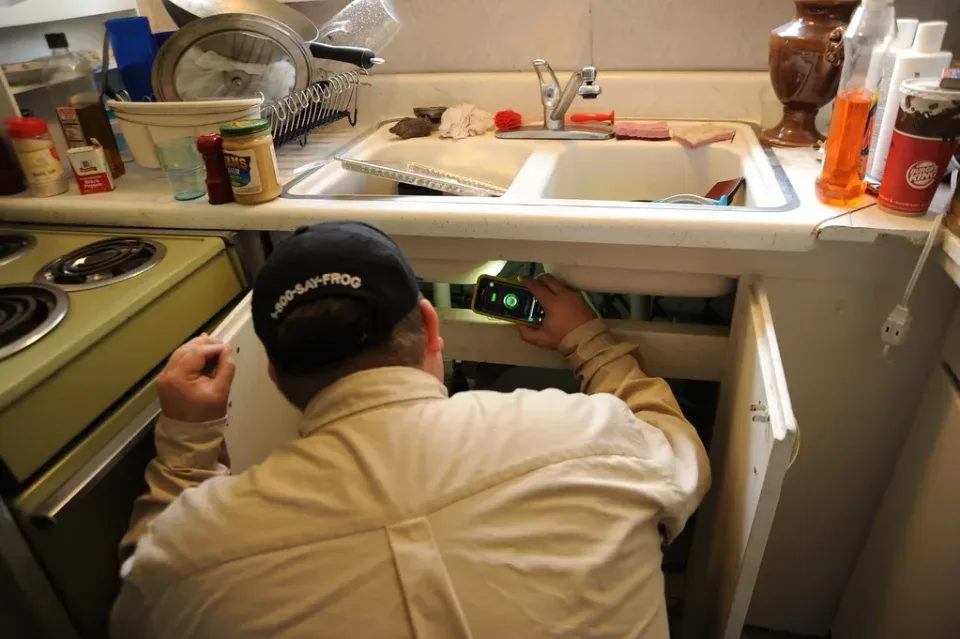
Mouse droppings beneath kitchen cabinets call for an entry-point inspection, not just cleanup; in Ansonia’s triple-decker residences, our team checks cabinet voids and utility openings, while you can safely look for droppings without disturbing them. A mud tube along a basement foundation can signal termite activity; we inspect the visible area and nearby wood, and you can note where the tube begins.
Warm, humid summers support mosquito and tick activity, so we assess outdoor conditions and recommend relevant treatment; after yard visits, check pets for ticks. CT 8, CT 115, and CT 334 help us coordinate local access, and we serve Ansonia, CT 6401.
We provide Mice Control, Termite Treatment, and seasonal mosquito or tick service as the findings warrant. Call when you want an inspection and clear next steps.
Freeze-thaw cycles can loosen masonry and foundation joints around Ansonia properties, creating small openings worth checking when pests appear indoors. At a brick commercial block, our team examines accessible foundation seams and utility penetrations; you can look for visible gaps from ground level without pulling apart materials. The Sterling Opera House anchors the city, but pest entry points vary from building to building.
Centers for Disease Control and Prevention offers public guidance on pest-related health concerns. Follow-up timing varies by pest and treatment, so we explain what activity to monitor and when a return visit may be appropriate. If a crack or suspected entry point is visible near your Ansonia property, note its location and ask our team to assess it.
Our team checks the job scope and explains the treatment plan before work begins.
EPA pesticide product labeling and use directions define approved application sites and precautions, so we follow the label rather than improvising around a building’s layout. For an Ansonia property near the Sterling Opera House or elsewhere in the city, ask us to clarify preparation, access, and any site-specific requirements before the appointment.
Connecticut Pest Pros coordinates local inspections and treatments with clear communication from start to finish.
Older foundations, basements, and utility openings can give pests a way inside.
A technician explains what they find and discusses treatment options before work begins. You can understand the proposed scope and ask questions before deciding how to proceed.
After treatment, the team explains what to watch for and whether follow-up is recommended. Scheduling can account for the pest’s life cycle and monitoring needs.
Across pest control calls, the most common reasons people reach out are rodents, general pest control and ants.
A technician inspects the affected areas, identifies pest activity, and discusses the requested heat treatment and the work involved. The owner gets a clearer view of the treatment scope and any preparation needed. Keep belongings and access areas ready for the technician’s instructions.
A technician checks the reported area, identifies pest activity, and reviews treatment options and possible entry points with the homeowner. The homeowner learns what the inspection found and what work is proposed. Avoid disturbing the entry area until you have discussed it with the technician.
Bed bug bites after sleeping may be a warning sign, though bites alone do not confirm the cause. Check sleeping areas for other signs and seek an inspection if activity continues.
Scratching sounds inside walls, especially at night, can signal pest movement in hidden spaces. Keep track of where and when you hear them, then arrange an inspection to identify the source.
Spring rain and river flooding can change conditions around foundations and basements. An inspection can look for pest activity and entry points after water exposure, helping you decide whether treatment or monitoring is appropriate.
Warmer weather brings termite activity and ticks, while outdoor pest activity can affect homes and yards. A technician can identify what is present and explain treatment options for the property.
As temperatures shift, pests may look for sheltered places around homes. An inspection can check foundations, utility openings, and other access points, with treatment recommendations based on what the technician finds.
Snowy conditions and Nor'easters can make access and moisture conditions around a property less predictable. A technician can inspect accessible areas for pest activity and discuss practical treatment or follow-up needs.
Ask which credentials are relevant to the treatment being proposed and who will perform it. Connecticut pesticide applicator licensing is a useful point to verify when comparing pest control providers.
Ask whether the service involves ongoing visits, monitoring, or other terms beyond the initial work.
Request a quote online or contact our Ansonia, CT team directly by phone or email.
Avoid sealing a suspected opening before the source is checked. In Ansonia’s older homes, our team inspects accessible entry points and signs of rodent activity; you can note which wall and time the sounds occur, then arrange an assessment.
Yes. We schedule Pest Control visits in Paynes Corners and across Ansonia, confirming building access and parking details when the appointment is arranged.
Clear stored items away from inspection access points and secure pets before the technician arrives. In Ansonia homes, making basement edges, kitchen cabinets, and utility openings accessible helps us check the areas relevant to your concern.
Pest Control is also available in these nearby communities across Connecticut.