Local Home Experience
That local knowledge helps technicians look for likely pest access points and explain what they find at your property.
Autumn leaves gather around Middletown’s Federal-era houses, giving rodents and insects more places to shelter near foundations. In Long HIll Estates and Miramichi, our crew checks likely entry points and the conditions around each property before recommending treatment.
Cold winters bring recurring snow and ice; when snow covers outdoor food and shelter, mice may move toward heated buildings. An early freeze can also keep pest activity indoors longer than residents expect, so a quiet stretch after the first cold snap does not always mean a problem has ended. We inspect, explain what we find, and match the plan to the pest and building.
Our team handles pest inspections and treatment for Middletown homes and businesses, including properties near Wesleyan University and the Main Street Historic District. We also share practical prevention steps, such as checking visible foundation gaps and keeping stored items clear of inspection areas.
For service in Middletown, call (855) 681-0299. We’ll coordinate access, hear what you’ve noticed, and arrange a visit.
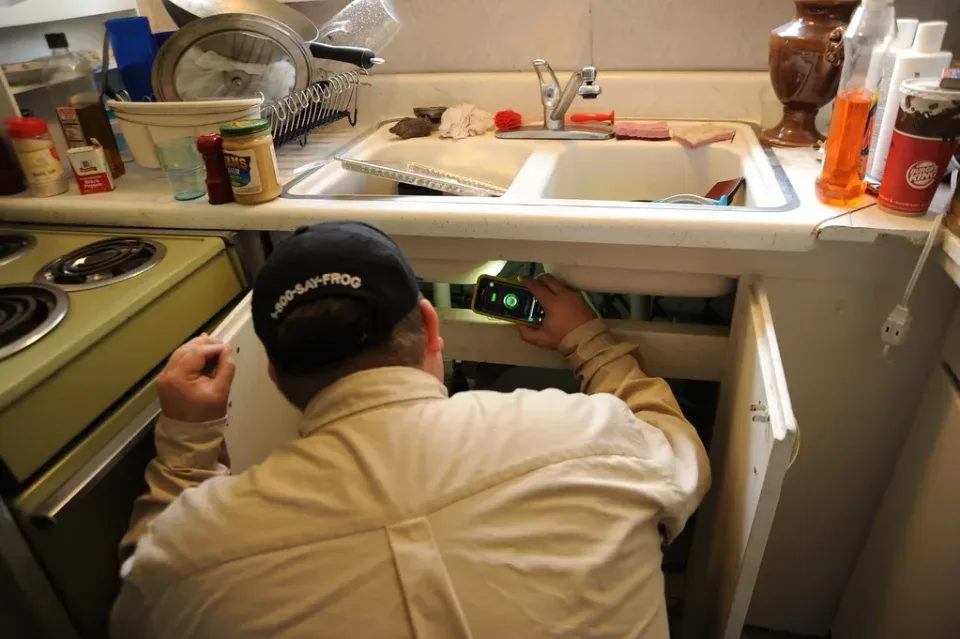
The brick buildings of Middletown’s Main Street Historic District and the homes around Wesleyan University call for inspections that account for different structures and access points. Spring rain can leave basements damp, while seasonal rainfall may raise moisture in crawlspaces; our crew checks those areas when they are part of the reported problem.
We schedule visits around the property’s access needs, explain inspection findings, and outline treatment and prevention steps before work begins. Freeze-thaw cycles can loosen masonry and foundation joints, so we look closely at those openings when the evidence points to pest entry.
High summer humidity can also worsen indoor moisture problems. Bring us the details you’ve observed, and we’ll arrange a clear next step.
How we inspect depends on what you see. At a home near Wadsworth Falls State Park, summer thunderstorms can send heavy rain into low areas; our crew checks reported damp spaces and the pest evidence there. Snow cover can also push rodents toward heated buildings, so we inspect likely access points when residents report indoor activity.
Warm, humid summers support mosquito and tick activity around outdoor spaces. We discuss the affected area and inspect before recommending a treatment plan. Our common work includes:
We investigate mouse activity and entry points through Mice Control and Rodent Exclusion.
We assess termite evidence and arrange Termite Treatment when inspection findings support it.
We address seasonal mosquito concerns with Mosquito Treatment and discuss the treatment area.
We serve Middletown addresses in ZIP codes 06457 and 06459. Check the reported room or outdoor area and note when activity occurs; that gives our team a useful starting point.
River valley humidity can leave Middletown properties feeling damp, so our inspection considers where moisture and pest evidence occur together. At Harbor Park, the waterfront setting is a familiar local reference, while nearby building conditions still need to be checked property by property.
A dry-looking room is not the whole story. We ask about basements, storage areas, and the timing of sightings, then use inspection findings to decide whether Mice Control or another treatment fits.
The U.S. Centers for Disease Control and Prevention offers public health guidance on pest-related risks; we use that kind of practical context without treating it as a substitute for a site inspection.
Follow-up timing varies by pest and treatment, so we explain the next check based on the work performed. The National Integrated Pest Management Road Map emphasizes informed, integrated decisions; our team applies that principle by matching steps to evidence. Call when you want findings reviewed.
We coordinate Pest Control visits across Middletown, including Long HIll Estates, where our team can inspect the reported rooms and accessible exterior entry points. In Miramichi, we ask residents to identify where activity appears so the inspection can focus on the affected part of the property.
Gildersleeve customers can share access and parking instructions when scheduling, helping our technician reach the inspection area efficiently. In Baileyville, we tailor the visit to the building and evidence rather than assuming the same pest plan fits every address. We also serve South Farms, where a clear account of sightings helps us target the inspection, and Bretton Heights, where residents can point out areas needing attention when our team arrives.
Our service is not a promise of pesticide-free treatment: we inspect first and explain appropriate options.
Get clear guidance from a Connecticut team familiar with local homes and pest pressures.
That local knowledge helps technicians look for likely pest access points and explain what they find at your property.
Technicians identify the pest and its activity before selecting treatment. They explain what they find, discuss the work that fits the property, and recommend follow-up based on the pest and monitoring.
Expect an explanation of findings and any relevant preparation, including access to basements, attics, or treatment areas. The team also explains restricted-entry guidance for children and pets when it applies.
The work starts with your concern and ends with clear guidance about the treatment and any follow-up.
Share the Concern
Tell the team what pest you have noticed and where activity appears. This gives the technician useful context before assessing the property and helps focus the visit on your concern.
Inspect the Property
A technician checks the relevant areas to identify the pest and its activity. You get an explanation of the findings before a treatment approach is selected.
Treat the Areas
The technician carries out the agreed treatment and addresses entry points where appropriate. Follow any instructions about food, pet supplies, access, and restricted entry.
River valley humidity can leave damp areas around homes as conditions warm. A spring inspection can help identify pest activity and openings after winter, giving you a chance to discuss treatment and property-specific follow-up.
Warm, humid conditions can affect pest activity around homes and outdoor spaces. Consider an inspection if you notice new activity, and ask the technician which areas to monitor based on the pest and property.
Autumn foliage can collect near foundations and obscure areas worth checking around a home. An inspection can help identify visible pest activity and entry points, with treatment recommendations based on what the technician finds.
Cold weather can drive mice to seek shelter inside, especially through foundation gaps and utility openings. A winter inspection can assess indoor activity and possible access points, with follow-up recommendations tailored to the property.
Connecticut DEEP pesticide applicator licensing? Pesticide work is regulated, so ask who will perform the application and whether the relevant credentials apply to the service. Connecticut Pest Pros states that its team has Connecticut DEEP pesticide applicator licensing.
Review these details before agreeing to service, and ask about anything unclear.
Request a quote online or contact our Middletown, CT team directly by phone or email.
Note which wall and when the sound occurs, and look for visible droppings without reaching into openings. Our team can inspect the area and likely access points, including in Long HIll Estates, then explain the findings and next steps.
Yes. We coordinate Pest Control visits in 06457 and 06459. Share your address, access details, and the pest activity you have noticed when arranging a visit.
We identify the pest and inspect the affected area before selecting a plan. The treatment and any follow-up depend on the pest, the site, and what the inspection shows.
Pest Control is also available in these nearby communities across Connecticut.