(855) 681-0299

Pest Control in Storrs, CT - Rodent Exclusion, Tick & Mosquito Treatment 06269

Scratching in the walls in February is the most common call we get in Storrs. Snow cover pushes field rodents toward heated buildings, and older rural houses along CT 195 give them plenty of ways in.

Our team has spent more than a decade handling pest control in Mansfield Four Corners, Eagleville, and the streets around the University of Storrs, CT, where student rental housing and wood-frame single-family homes share the same seasonal pressures. Early freezes stretch indoor pest activity well past fall, and autumn leaf litter around yards near Mansfield Hollow State Park shelters rodents and insects through the cold months.

We inspect, explain what we find, and treat with a plan you understand before we start. Call (855) 681-0299 and we will schedule a visit that fits your week.

Licensed & insured Pest Control in Storrs, CT
1 State
97 Cities served
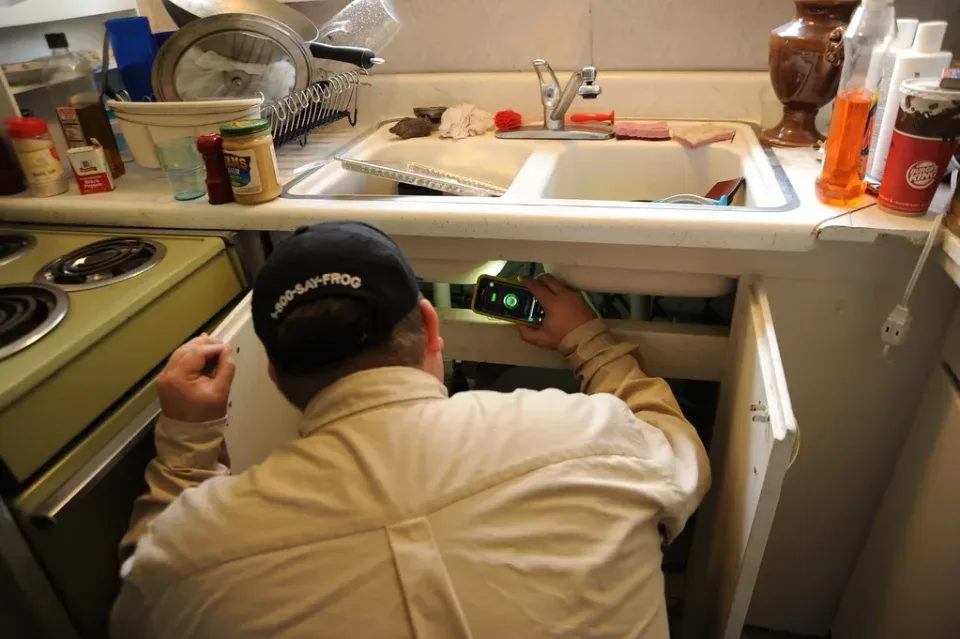
Pest Control Technician — Residential Service — Pest Control Technician, Baseball Cap, Smartphone, Pest Control, Pest Contro…
About Us

Who Handles Pest Control in Storrs, CT?

Who shows up matters as much as the treatment. Storrs sits inland, so cold winters and recurring snow and ice hit harder here than along the coast, and warm, humid summers bring mosquito and tick season to yards from Spring Hill to Chaffeeville. Between the Ballard Institute and Museum near campus and the wooded edges of Mansfield Hollow State Park, properties here range from university residence halls to older rural houses with stone foundations each one needs a different approach.

We schedule around your access needs, confirm parking and entry details before arrival, and walk you through findings in plain language. Expect a clear inspection summary, a written treatment plan, and follow-up timed to the pest lifecycle rather than a one-size visit.

Pest Control Services

Common Pest Control Jobs Around Storrs

Three situations fill most of our Storrs schedule. First, mice in wall cavities: homeowners hear scratching at night, and freeze-thaw cycles that loosen masonry and foundation joints open gaps mice only need to be about 1/4 inch wide to enter.

We seal those entry points as part of rodent exclusion, then place tamper-resistant stations where label directions require. Second, damp basements: spring rain increases basement dampness and flooding in low-lying yards near Eagleville, and seasonal rainfall keeps crawlspace moisture high conditions that invite insects and support termite activity.

We inspect sill plates and crawlspaces, document what we find, and treat accordingly. Third, seasonal yard pests in the warm months.

A quick self-check: run a flashlight along your basement foundation and sill at night light gaps mean entry points. We cover all of Storrs, including 06269 and 06268, with mice control, termite inspection, and mosquito treatment scheduled from one local dispatch.

Storrs, CT Local Landmarks

How We Work Around Storrs Property Types

How we plan a job depends on the block. Student rental housing near the University of Connecticut turns over fast, so bed bug checks before move-in dates matter more here than in most Connecticut towns. Wood-frame single-family homes out toward Mansfield Four Corners sit against woodland, and tropical storms that drop trees and flood low yards create fresh rodent routes and insect harborage.

We follow the National Integrated Pest Management Road Map and guidance from the U.S. Centers for Disease Control and Prevention on tick and rodent risk, which means inspection and exclusion come before chemistry.

For wasp nest removal in attic vents or rodent proofing on an older rural house, our crew documents conditions first, then treats. That sequence keeps results verifiable and repeat visits minimal.

Storrs, CT Local Landmarks

Which Storrs Neighborhoods Do We Cover?

We cover Storrs and the surrounding village areas within 06269 and 06268. Snow cover can drive rodents toward heated buildings, so winter calls spike across every neighborhood below and we route crews accordingly.

Mount Hope: larger wooded lots mean rodent proofing and tick control are the usual requests. Mansfield Four Corners: mixed commercial and student housing keeps cockroach treatment and exclusion work steady year-round.

Eagleville: older rural houses near the river corridor need crawlspace and sill inspections each spring. Spring Hill: wood-frame single-family homes call us most for mice in wall cavities and ant control.

Atwoodville: rural properties with outbuildings often need rodent exclusion beyond the main house. Chaffeeville: leaf litter and woodland edges make seasonal tick and mosquito treatment a repeat need.

If you are unsure whether your address falls in our route, call (855) 681-0299 we confirm coverage and access details before booking.

Why Choose Us

Local Pest Control in Storrs, CT

Connecticut Pest Pros treats Storrs homes with inspections first and treatments matched to what the technician actually finds.

Inspect Before Treating

Every job starts with identifying the pest and the activity level before any product is selected. That keeps the treatment focused on the real problem instead of a guess, and it means you know what you are paying for before work begins.

Connecticut Seasonal Know-How

Our experience is built on Connecticut's seasonal pressures, from mice pushing into basements during cold inland winters to termite activity and ticks in warmer months. Storrs properties get a plan shaped around how pests actually behave here.

Clear Answers On Site

Technicians explain what they find, address entry points where appropriate, and recommend follow-up based on the pest and the property. You leave the visit knowing what was done, what to watch for, and what comes next.

How Pest Control Works

How a visit works

From the first phone call to the finished treatment, the process stays simple and explained in plain terms.

Describe the Problem

You call with what you are seeing, whether that is scratching in walls, bites after sleeping, or droppings in the kitchen. The office schedules an inspection and gives you a clear idea of what the visit covers.

Inspect the Property

A technician checks basements, attics, foundations, and the areas where activity was reported. You get an identified pest, an explanation of how it is getting in, and a treatment plan with a quote before anything starts.

Treat and Seal

The crew applies the agreed treatment and addresses entry points where appropriate, such as utility openings or gaps around older foundations. You know which areas were treated and when it is safe to re-enter.

Follow Up on Schedule

Follow-up visits are timed around the pest’s life cycle and monitoring results, not a fixed calendar. You get a recommendation for the next check and simple steps to keep the problem from returning.
In Depth

Typical jobs in Storrs, CT

Across pest control calls, the most common reasons people reach out are rodents, general pest control and ants.

A landlord finds bed bugs in a

A technician inspects the apartment, confirms the extent of the activity, and quotes a heat treatment sized to the unit rather than a flat guess. The owner gets a written scope for the treatment and knows what preparation tenants need to complete before the crew arrives.

Scratching sounds keep the household up at

The technician traces the noise to likely rodent paths, checks the basement and utility openings, and sets treatment plus exclusion where mice are entering. The activity source is identified and treated, with follow-up scheduled around the rodent life cycle to confirm it holds.

Roaches keep showing up near the kitchen

The crew inspects the kitchen and adjacent areas, identifies where the population is hiding, and treats those zones directly instead of spraying everywhere. Activity drops at the source, and the homeowner gets monitoring guidance so the technician can verify results on the follow-up visit.

Pest Control Warning Signs

Warning signs to watch for

Mud Tubes on the Foundation

Mud tubes along a basement foundation are a classic termite sign. Subterranean termites build these pencil-width tunnels to travel between soil and wood. If you spot one, leave it intact for the inspection so the technician can confirm activity.

Wasps at the Attic Vents

Wasps entering through attic vents usually mean a nest is forming in the eaves or attic cavity. Watch the flight path from outside at a safe distance. A growing stream of traffic in the same spot is worth a call before the nest matures.

Ticks on Pets After Yard Time

Ticks found on pets after yard visits point to activity in tall grass, brush edges, or shaded lawn areas. Check pets after they come inside, keep grass trimmed near walkways, and ask about yard treatment if ticks keep appearing.

Droppings Under Cabinets

Mouse droppings beneath kitchen cabinets mean rodents are feeding nearby, not just passing through. Fresh, dark droppings point to current activity. Wipe the area with disinfectant rather than sweeping, and note where you found them for the inspection.

In Depth

Pest pressure through the year

Spring

Warming soil wakes up termites and ants, and mud tubes start appearing on foundations around Storrs. Spring is a good time for an inspection, because catching termite activity early keeps treatments smaller and simpler.

Summer

Ticks and wasps hit their peak while families spend more time outdoors. Yard treatments and nest removal around eaves and attic vents keep patios and play areas usable through the busiest stretch of the year.

Fall

As foliage drops and nights cool, mice and other rodents start looking for winter shelter. Sealing entry points and treating activity in the fall stops a small problem from becoming a winter-long infestation inside walls.

Winter

Cold inland winters and frequent snow push rodents into basements and wall voids, where scratching and droppings become noticeable. Winter service targets the shelter sites mice rely on and sets monitoring to track activity.

In Depth

What changes after service

Bed Bug Apartment Treatment

Before: A property owner with a bed bug problem in a rental unit wants an estimate and a plan, with tenants getting bitten and the infestation spreading between rooms.

After: An inspection confirms the scope, a heat treatment plan is quoted for the unit, and the owner knows exactly what tenants must prepare before the crew treats.

In Depth

Questions to ask before hiring

Are your technicians licensed for pesticide application in Connecticut?

Connecticut DEEP pesticide applicator licensing confirms the person treating your home is trained and authorized to apply products legally and safely.

What do I need to do to prepare my home?

Clearing access to basements, attics, and treatment areas, and securing food and pet supplies, keeps the visit efficient and the treatment effective.

Get a Quote

Get Pest Control in Storrs, CT

Request a quote online or contact our Storrs, CT team directly by phone or email.

Call Us

(855) 681-0299

Our Location

Storrs, CT

Working Hours

Mon–Sun 8am–8pm

Common Questions

Pest Control FAQs in Storrs, CT

How much does pest control cost in Storrs, CT?

It depends on the pest and the scope. Mouse treatment typically runs $150–$500 based on infestation size and follow-up visits, while bed bug treatment ranges $300–$1,500 depending on rooms treated and preparation required. Final quotes vary by scope, infestation, access, and site conditions we inspect first, then quote.

Do you serve rentals near the University of Connecticut?

Yes. We work with landlords and property managers across Mansfield Four Corners and Spring Hill, handling turn-over inspections, bed bug checks, and rodent exclusion timed to lease dates. We coordinate building access and parking instructions before each visit so student housing jobs stay on schedule.

When should Storrs homeowners worry about ticks?

Warm, humid summers in Storrs support tick activity from late spring through early fall, especially in yards bordering woodland like areas near Mansfield Hollow State Park. Check pets after yard visits and remove attached ticks promptly. For recurring exposure, we provide seasonal tick control and yard-focused treatment plans.

Why do mice keep getting into my house every winter?

A mouse fits through a gap about 1/4 inch wide pencil-width. Storrs homes with older masonry foundations often develop joint cracks from freeze-thaw cycles, and snow cover drives rodents toward heated buildings each winter. Trapping alone fails if entry points stay open; exclusion work closes the gaps permanently.