(855) 681-0299

Pest Control in Wallingford Center, CT Mice, Termites & Bed Bugs 06492

When snow piles up along Center Street and early freezes arrive in the Quinnipiac River valley, mice start looking for a heated building and older homes near the historic town center give them plenty of ways in. Our crew handles that problem every winter.

Wallingford Center, CT Pest Pros serves Wallingford Center, CT with mice control, termite treatment, and bed bug treatment, plus ant control, wasp nest removal, tick and mosquito work, and rodent exclusion for Colonial and Victorian houses, postwar ranches, and brick commercial buildings around Choate Rosemary Hall and the Wallingford Public Library. Cold winters with recurring snow and ice push rodents indoors here earlier than most homeowners expect once snow cover settles in, a heated wall void becomes prime real estate.

We inspect first, explain what we found, and treat only what needs treating. Call (855) 681-0299 and we’ll schedule a visit that fits your week.

Licensed & insured Pest Control in Wallingford Center, CT
1 State
97 Cities served
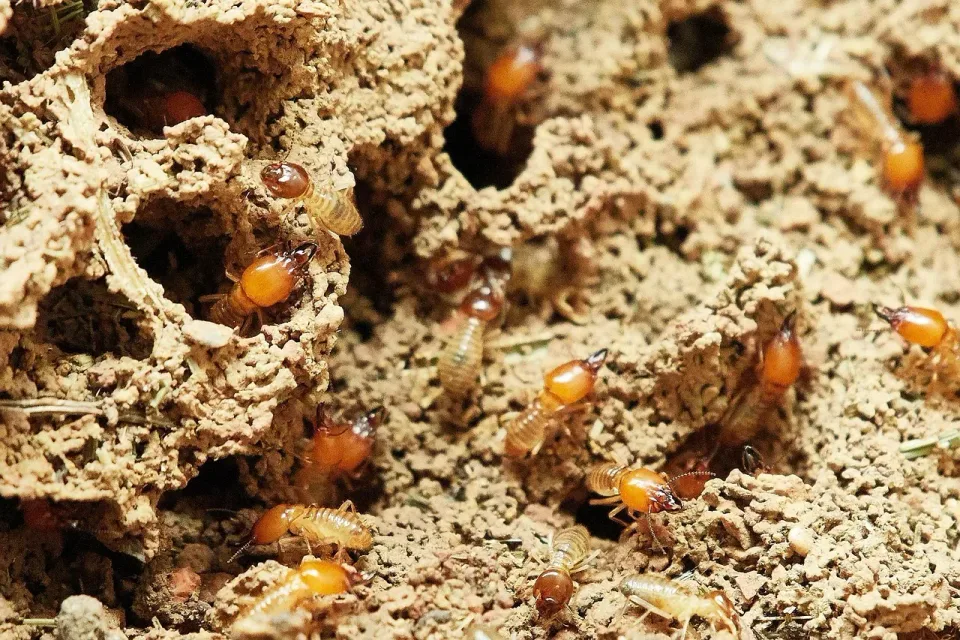
Termites — Pest Control — Termites, Termite Mound, Soil, Pest Control, Pest Control
About Us

Who Handles Mice and Termites in Wallingford Center, CT?

Autumn leaf litter in yards near Choate Rosemary Hall and the Quinnipiac River valley shelters rodents and insects through the cold months, and snow cover then drives them toward heated buildings which is why Wallingford Center calls spike after the first hard freeze. Spring is a different season entirely: rain raises basement dampness in older foundations, and freeze-thaw cycles loosen masonry joints enough for mice to squeeze through.

Connecticut Pest Pros is a licensed, insured pest control team serving Wallingford Center, CT, from Tracy and Quinnipiac to East Wallingford. Expect a scheduled arrival window, a written explanation of what we found, a treatment plan matched to the pest, and honest prevention advice not a rushed spray-and-leave visit. We treat homes and businesses across the 06492 and 06494 areas, and we follow up on a timeline that matches the pest’s life cycle, not the calendar.

Pest Control Services

Common Pest Jobs We Handle in Wallingford Center

Three situations bring most Wallingford Center calls to us.

First, scratching in walls after dark. Warm, humid summers and seasonal rainfall raise crawlspace and basement moisture, and damp basements in the older homes around the historic town center give rodents both water and cover.

We run a full inspection, place tamper-resistant bait stations at label-directed spacing, and seal entry points a mouse needs only about a 1/4-inch gap, so we check sill plates and utility penetrations carefully. Your own check: slide a pencil under a basement door gap; if it fits, a mouse fits.

Second, mud tubes along a basement foundation. Spring rain keeps soil damp against older masonry, and subterranean termites build those tubes as highways from soil to wood. We confirm whether the tube is active and recommend treatment or monitoring.

Third, summer pests. Warm, humid weather supports mosquito and tick activity, so we treat yards before backyard season. We cover all of 06492 and 06494.
Wallingford Center, CT Local Landmarks

How We Plan Treatment Around Local Conditions

Tropical storms can cause flooding and downed trees in this part of New Haven County, and a downed limb or flooded crawlspace changes where pests harbor. After a storm, we re-check the exterior of homes near Yale New Haven Health Veterans Memorial Medical Center and along the Quinnipiac floodplain, because shifted debris and wet soil create new entry points and new termite pressure almost overnight.

Follow-up timing varies by pest and treatment, and that matters more after storm damage: a bed bug job needs a second visit because eggs hatch in roughly 6–10 days, while a wasp nest removal is usually a one-visit job. We build the follow-up schedule around the pest’s life cycle, following the National Integrated Pest Management Road Map approach inspect, identify, treat the least-toxic-effective way, and verify.

The U.S. Centers for Disease Control and Prevention also recommends prompt tick removal after yard exposure, so we tell every customer how to check pets and kids after time outdoors. One quick self-check after any storm: walk your foundation line and look for fresh mud or shifted soil against the sill.

In Depth

Which Wallingford Center Areas Do We Cover?

Yes we cover every part of Wallingford Center, CT, and we know the difference between the neighborhoods.

In Tracy, the mix of older Colonials and mid-century homes means we spend extra time on sill plates and foundation joints, where freeze-thaw movement opens small gaps rodents use. In Quinnipiac, homes closer to the river valley see more moisture-driven problems, so basement inspections and termite checks are standard parts of our first visit there. In East Wallingford, larger lots and yard space mean tick and mosquito treatments are the most requested service, especially from late spring through early fall.

We also serve the brick commercial buildings near the historic town center, where a restaurant or office with a pest issue needs discreet, documented service a clear quote, a written treatment record, and follow-up visits scheduled around business hours. Wherever you are in town, one call gets a technician who already knows what your block’s housing stock typically faces.

Why Choose Us

Local Pest Control in Wallingford Center, CT

Connecticut Pest Pros handles inspections and treatments for Wallingford Center homes with clear answers at every step.

Local Pest Knowledge

Ten years of work around Connecticut means familiarity with older foundations, basements, and utility openings that let mice inside. The team plans around the state's seasonal pressures, from sheltering rodents to ticks and termites.

Clear Communication

Technicians explain what they find before selecting any treatment, address entry points where appropriate, and recommend follow-up based on the pest and the property. You know what was done and what comes next.

How Pest Control Works

How a visit works

Every job follows the same straightforward path from first call to finished treatment.

Full Inspection

A technician identifies the pest and the activity level before recommending anything. You get a clear explanation of what was found and a written scope of the work before treatment begins.

Treatment Day

The crew treats the agreed areas, addressing entry points where appropriate. You get prep instructions ahead of time, like securing food and keeping children and pets clear during restricted entry periods.

Follow-Up Plan

Follow-up is scheduled around the pest’s life cycle and monitoring results. You get a plain summary of what to watch for and when the technician should return to check progress.

In Depth

Typical jobs in Wallingford Center, CT

Across pest control calls, the most common reasons people reach out are rodents, general pest control and ants.

A landlord finds bed bugs in a

The crew inspects the affected units and provides an estimate for heat treatment, explaining what the process requires before any work is booked. The owner gets a written scope covering which units need treatment and what preparation tenants must complete before the heat equipment arrives.

A resident wants a scheduled spray appointment

The team sets an appointment, confirms prep steps like securing food and pet supplies, and treats the areas discussed on the call. The resident gets treatment on a set date with clear instructions on keeping children and pets away during any restricted entry period.

Pest Control Warning Signs

Warning signs to watch for

Cockroaches Near Drains

Cockroaches appearing near kitchen drains usually mean a breeding population nearby, not a few wanderers. They hide during the day and move through plumbing gaps at night. Seeing them in daylight often points to a larger infestation that needs professional treatment.

Wasps at Attic Vents

Wasps entering through attic vents suggests a nest forming inside the roof cavity. Watch the vent openings on warm days for steady traffic. A nest inside an attic grows undisturbed and is harder to treat once established, so early attention saves trouble.

Ticks on Pets

Ticks found on pets after yard visits mean the property likely holds tick habitat along edges, brush, and shaded ground. Regular checks after outdoor time help, but recurring ticks on animals point to a yard population worth treating at the source.

In Depth

Pest pressure through the year

Spring

Warming soil wakes termite swarmers and pushes ants and ticks into motion. Spring inspections catch mud tubes and early colonies before they spread into structural wood, and yard treatments get ahead of the tick season that follows.

Summer

Heat drives wasps, ticks, and cockroaches into peak activity. Nor'easter remnants leave moisture that draws pests toward foundations and drains. Summer is when steady wasp traffic at vents and recurring ticks on pets most often need treatment.

Fall

As foliage drops, mice start seeking shelter in basements and wall cavities through utility openings. Sealing entry points and setting monitoring in fall stops a small intrusion from becoming a winter infestation inside the walls.

Winter

Cold snaps and nor'easters push rodents deeper into homes, where scratching in walls becomes noticeable at night. Winter treatments target the sheltering population, and interior monitoring catches activity you cannot see behind finished walls.

In Depth

Questions to ask before hiring

Are you licensed for pesticide application in Connecticut?

Connecticut DEEP licensing is required to apply pesticides legally. It also confirms the technician has been trained on proper product use and restricted entry periods.

What are the contract terms if the problem returns?

Ask in plain terms what happens if activity continues after treatment, how many visits are covered, and whether monitoring devices stay on the property.

Get a Quote

Get Pest Control in Wallingford Center, CT

Request a quote online or contact our Wallingford Center, CT team directly by phone or email.

Call Us

(855) 681-0299

Our Location

Wallingford Center, CT

Working Hours

Mon–Sun 8am–8pm

Common Questions

Pest Control FAQs in Wallingford Center, CT

How much does pest control cost in Wallingford Center, CT?

It depends on the pest and the scope. Mouse treatment typically runs $150–$500 based on infestation size and follow-up visits, termite treatment $500–$2,500 depending on structure size and method, and bed bug treatment $300–$1,500 based on rooms treated and preparation needed. Final quotes vary by scope, infestation, access, and site conditions we inspect first, then give you a written number.

Why do I hear scratching in my walls every winter?

Snow cover drives rodents toward heated buildings, and in Wallingford Center that means older Colonials and Victorians with loose foundation joints become winter shelter. A mouse only needs a gap about 1/4 inch wide to get in. We find the entry points, trap or bait, and exclude call (855) 681-0299 to schedule an inspection.

Do you serve the Quinnipiac and East Wallingford neighborhoods?

Yes. We cover Tracy, Quinnipiac, and East Wallingford plus the historic town center and both 06492 and 06494 ZIP codes. Quinnipiac homes near the river get extra attention on basement moisture and termite checks; East Wallingford’s larger lots are common tick and mosquito treatment jobs.

Are your technicians licensed in Connecticut?

Yes. All products are EPA-registered and applied strictly per label directions.

Nearby Markets

Service Areas Within 30 Miles of Wallingford Center, CT

Pest Control is also available in these nearby communities across Connecticut.

Show all 33 nearby areas 9 more